

Raw Material Sourcing Service
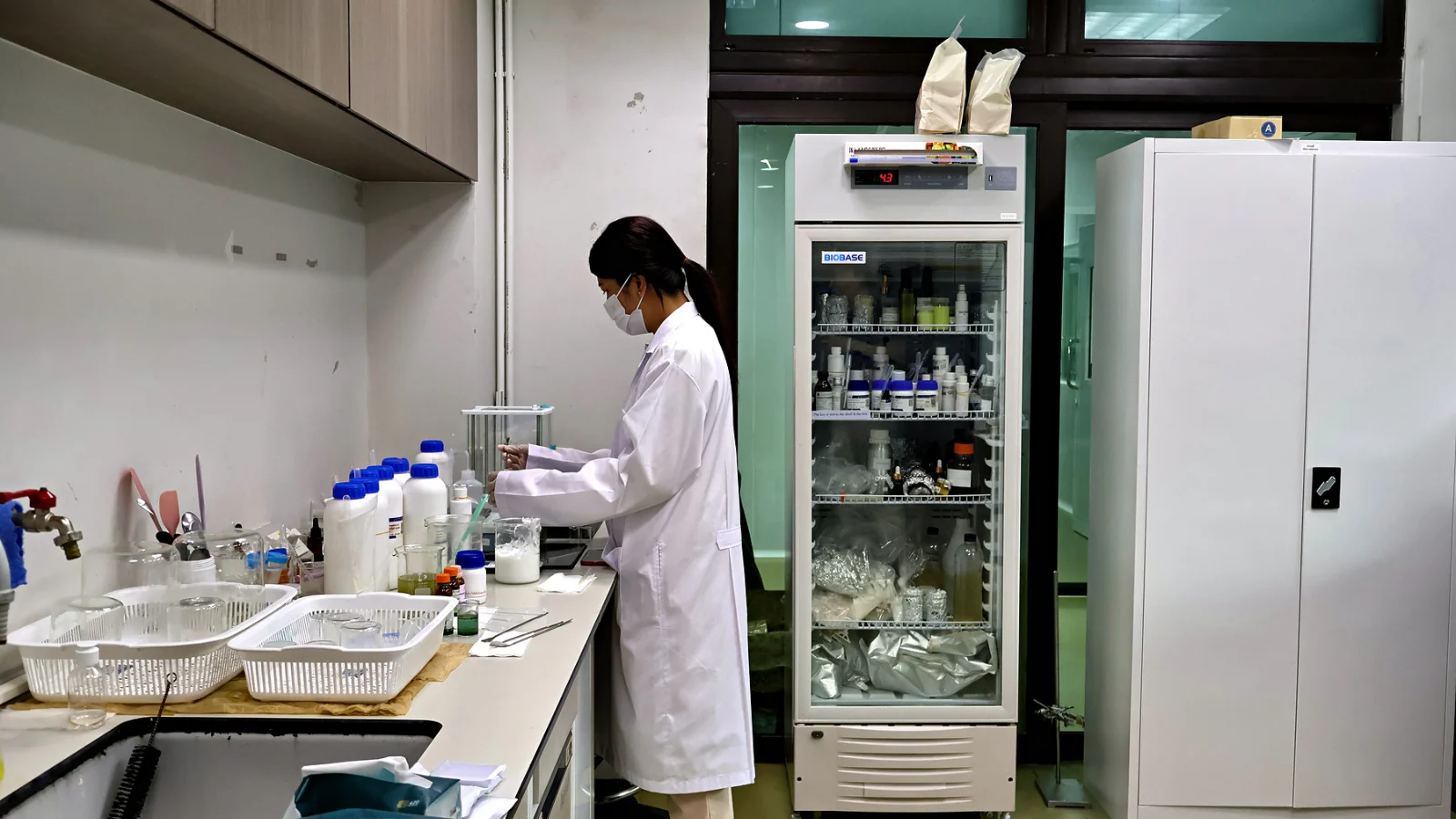
From the field to the extraction tank
The first question corporate buyers ask
When talking to small buyers, the first question is usually about price. But when talking to the procurement team of a large company or an overseas importer, the first question is almost never about price.
Their first question is: where does the raw material come from?
This is not personal curiosity. It is because origin determines three things that affect them directly. The first is the consistency of active compounds, because soil, climate and variety determine compound levels in the plant. The second is the risk of residues, because fields that use agrochemicals differ clearly from those that do not in the analysis results. The third is export feasibility, because many markets require traceability right back to the field.
For brands that buy extracts from middlemen without knowing the origin, this becomes a weakness the moment they start talking to buyers at this level, and it is often the reason a deal ends before price negotiation even begins. This service closes that gap.
Why the same raw material gives different results
What makes extract work harder than ordinary industrial work is that the raw material is not made in a factory but grows in nature.
Variety is the most influential variable and the one most often overlooked. Different varieties of the same plant can give significantly different levels of active compounds, even though they look almost identical. Choosing the variety is therefore a technical decision, not just an agricultural one, and it is where real quality control begins.
Growing location Soil and climate affect both active compound levels and the risk of heavy metals. Some plants accumulate heavy metals from the soil more than others. If grown where the soil is high in heavy metals, it will show in the analysis results no matter how well the production process is controlled. International criteria for contaminants in herbal raw materials therefore start with choosing the growing area, not at the factory (World Health Organization, 2007).
Harvest timing Active compound content changes with plant age, season and even time of day. Harvesting just a few weeks too early or too late can shift the active compound percentage enough to fall outside specification. That is why we set a harvest window in our agreements with farmers, rather than leaving it to each farmer’s convenience.
Post-harvest handling Herbs dried on the ground and herbs dried on raised racks give clearly different microbial test results, and herbs that are not dried enough are at risk of mould, which leads to mycotoxins, an item overseas buyers always test for (Codex Alimentarius Commission, 1995).
What this service covers
Variety selection We start by determining which variety gives the active compounds your project needs, based on research data, the specifications in the Thai Herbal Pharmacopoeia where the plant is listed (Department of Medical Sciences, 2021), and analysis results from real samples from different sources.
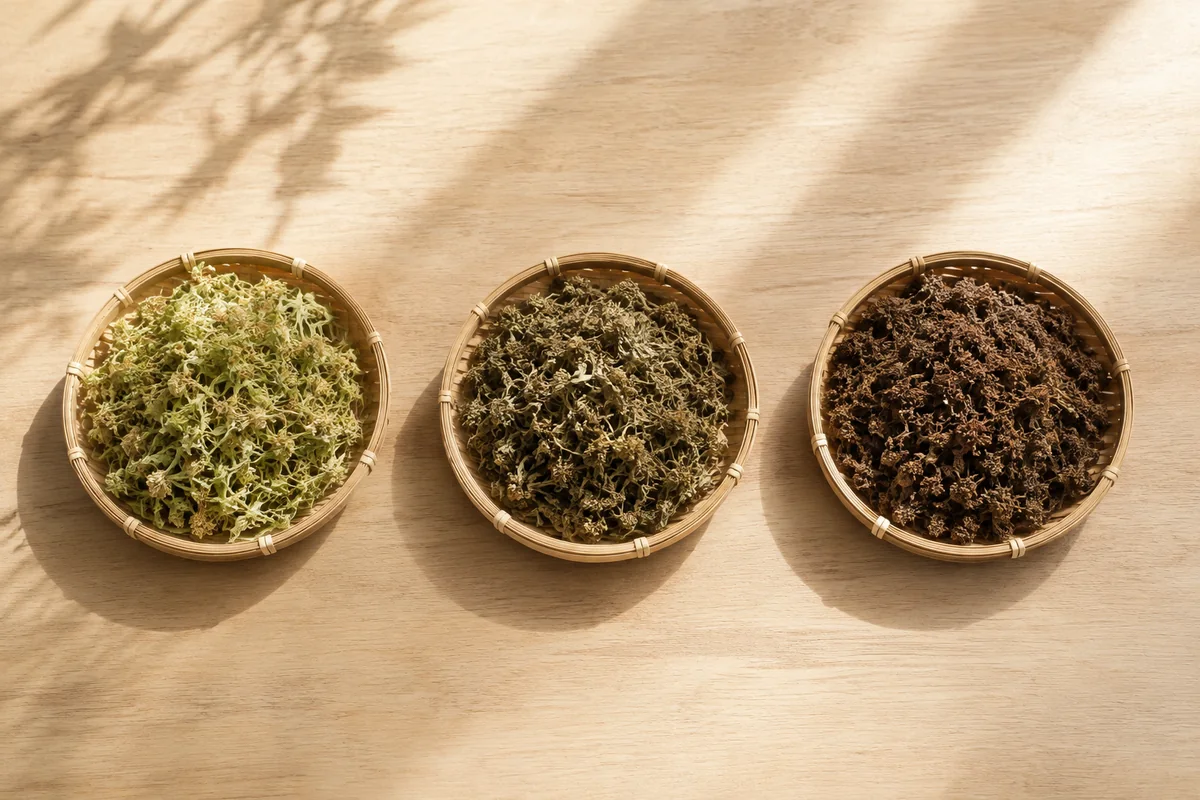
Choosing the growing source We consider soil conditions, land-use history, water sources and distance from sources of pollution, and collect soil and plant samples for analysis before deciding.
Contract farming We agree the variety, cultivation practices, harvest window, post-harvest handling and purchase price in advance with our farmer network. The advantage of this model is that both sides can plan: farmers know how much they will sell and when, and you know when you will receive the material and roughly what quality to expect.
Raw material receiving inspection We check moisture, foreign matter and overall condition before processing, take samples for analysis and keep retained samples for later checks.
Traceability documentation Records that link each extract lot back to the field, variety and harvest date. This set of documents is what lets you answer a corporate buyer’s first question.
When to use this service, and when it is not yet necessary
We do not believe every project needs this service from day one.
Not yet necessary If you are still trialling formulas, producing small lots and are not yet sure whether the product will go ahead. At this stage, buying raw material from the market as needed is more flexible and cheaper.
Becoming necessary When you start placing repeat orders regularly, when customers start remarking that this lot is not like the last one, or when a large buyer starts asking about origin.
Definitely necessary When you are about to export, when you are about to sell to a supplement or cosmetics manufacturer with a supplier audit system, or when the plant you use is a local species that may require permission before commercial use (Secretariat of the Convention on Biological Diversity, 2011).
A legal issue many Thai businesses are unaware of
Developing local plants into commercial products is not freely permitted in every case. Some plant groups are controlled under Thai law, and there is an international framework on access to biological resources and benefit-sharing to which Thailand is a party.
Almost no one writes about this in the Thai extract industry, yet it is a real risk for brands that use local plants and intend to sell in Europe or Japan, where importers often ask for documentation confirming compliance.
We always check the legal status of the plant before a project begins, and tell you at the assessment stage if additional permits are needed, because finding out at the start is a matter of procedure, while finding out after production is a matter of loss.
What you need to prepare
The plant name and part used; the annual quantity required, so we can plan growing area and harvest cycles; the specification you need, such as a minimum active compound content or a chemical-free requirement; and the destination market, because some markets have far stricter requirements on origin and residues than the domestic market.
If you already have a farmer network, tell us at the outset. We can work with clients’ existing networks and help upgrade their record-keeping to meet the criteria buyers require.
What you will receive
Raw material to the agreed specification with delivery dates you can plan ahead; origin documents specifying the field, variety and harvest date; analysis results for the starting raw material; and a contingency plan for years when yields do not go as expected, something buying from the open market does not offer.
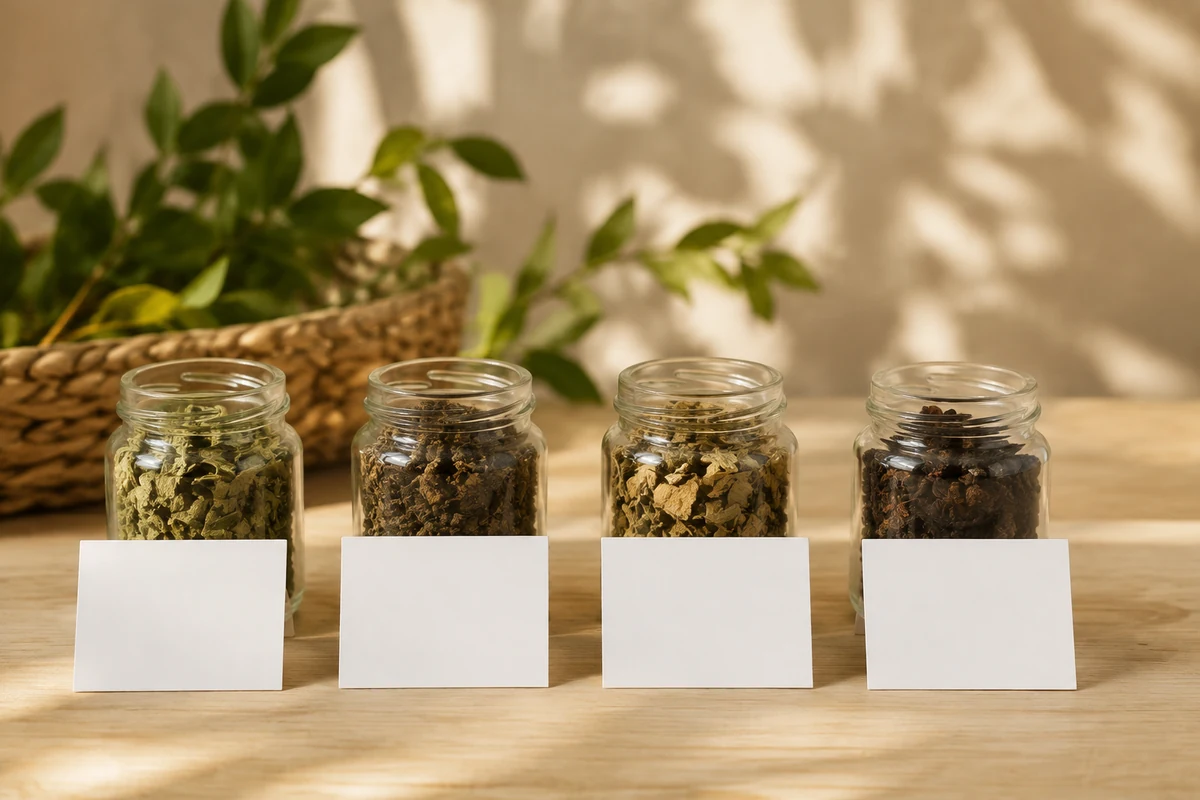
Season and growing source: variables the price does not show
When buyers compare two raw material sources, what they usually see is just the price per kilogram and the quantity available. But the two variables that determine how the extract will turn out do not appear on the quotation at all: when it was harvested, and the conditions where it was grown.
Plants produce secondary metabolites in response to their environment, not so that we can extract them. The amount of these compounds therefore depends on light intensity, day length, night-time temperature, the amount of water received and even stress from insects. The same plant of the same variety, grown a few hundred kilometres apart, can give significantly different active compound values, and plants from the same field harvested at different times of year can differ too.
The business implication is straightforward. If you buy raw material at the cheapest price each round without specifying the source and harvest period, you are accepting variability that will show up in the analysis results of every extract lot and in standardisation costs later on. Manufacturers who have worked with the same plant for a long time know which time of year it gives the best values, and plan to buy and store during that period instead of buying throughout the year.
What we do in this service is therefore not just find out who has material to sell, but map which source gives which values, in which period and at what price, and then design a purchasing plan that matches the quantity you actually need throughout the year. In some cases the answer is to buy once in the best season and store, at the cost of storage and the risk of deterioration. In other cases the answer is to spread across sources to reduce the risk from natural disasters, even if the average value is slightly lower.
There is no ready-made answer to choosing between these two approaches. It depends on how sensitive your end product is to variability and whether you have enough working capital to buy and store. So we present both options with figures for you to decide, rather than proposing one and calling it the right way.
Frequently asked questions (FAQ)
Q: How is this different from buying at a wholesale market?
A: Wholesale markets offer more flexible pricing in the short term and no advance commitment, but they do not provide variety and origin information, which corporate buyers and export markets require, nor the consistency needed for an established formula.
Q: Is it more expensive?
A: Per kilogram it is usually higher, but the comparison should be on cost per extract that meets the criteria, not per kilogram of starting raw material. Raw material with low active compound content needs a larger quantity to produce the same amount of extract, and a lot that fails the criteria is a cost lost in full.
Q: How long does preparation take?
A: It depends on the plant’s growing cycle. For annual crops, supply may begin within one growing cycle, while perennial crops need much longer planning. We give a clear timeline from the proposal stage.
Q: Can you buy raw material from farmers we already work with?
A: Yes, and it is a model we support, because networks with existing relationships usually cooperate better. We help set up record-keeping and receiving criteria that match what the end buyer requires.
Q: Can I order raw material sourcing only, without extraction with you?
A: Yes, but most clients choose to continue with us, because controlling everything from the field to the extract within one system makes traceability documentation more complete and reduces points where responsibility is unclear.
Next step
Tell us the plant species, the annual quantity required and the market you will sell in at [email protected] or LINE @zubbbiotech. We will check the plant’s legal status, assess sourcing feasibility and come back to you as soon as possible with a plan and timeline.
Contact us and request a quotation
Send us the details of your project via Contact us or LINE @zubbbiotech · Tel. +66 89 056 5651 · +66 97 297 1777 · Email [email protected]
References
- Department of Medical Sciences. (2021). Thai herbal pharmacopoeia 2021 . Bureau of Drug and Narcotic, Department of Medical Sciences.
- Codex Alimentarius Commission. (1995). General standard for contaminants and toxins in food and feed (CXS 193-1995). Food and Agriculture Organization of the United Nations & World Health Organization.
- Secretariat of the Convention on Biological Diversity. (2011). Nagoya Protocol on access to genetic resources and the fair and equitable sharing of benefits arising from their utilization to the Convention on Biological Diversity. United Nations.
- World Health Organization. (2007). WHO guidelines for assessing quality of herbal medicines with reference to contaminants and residues.