

Decolorization Service
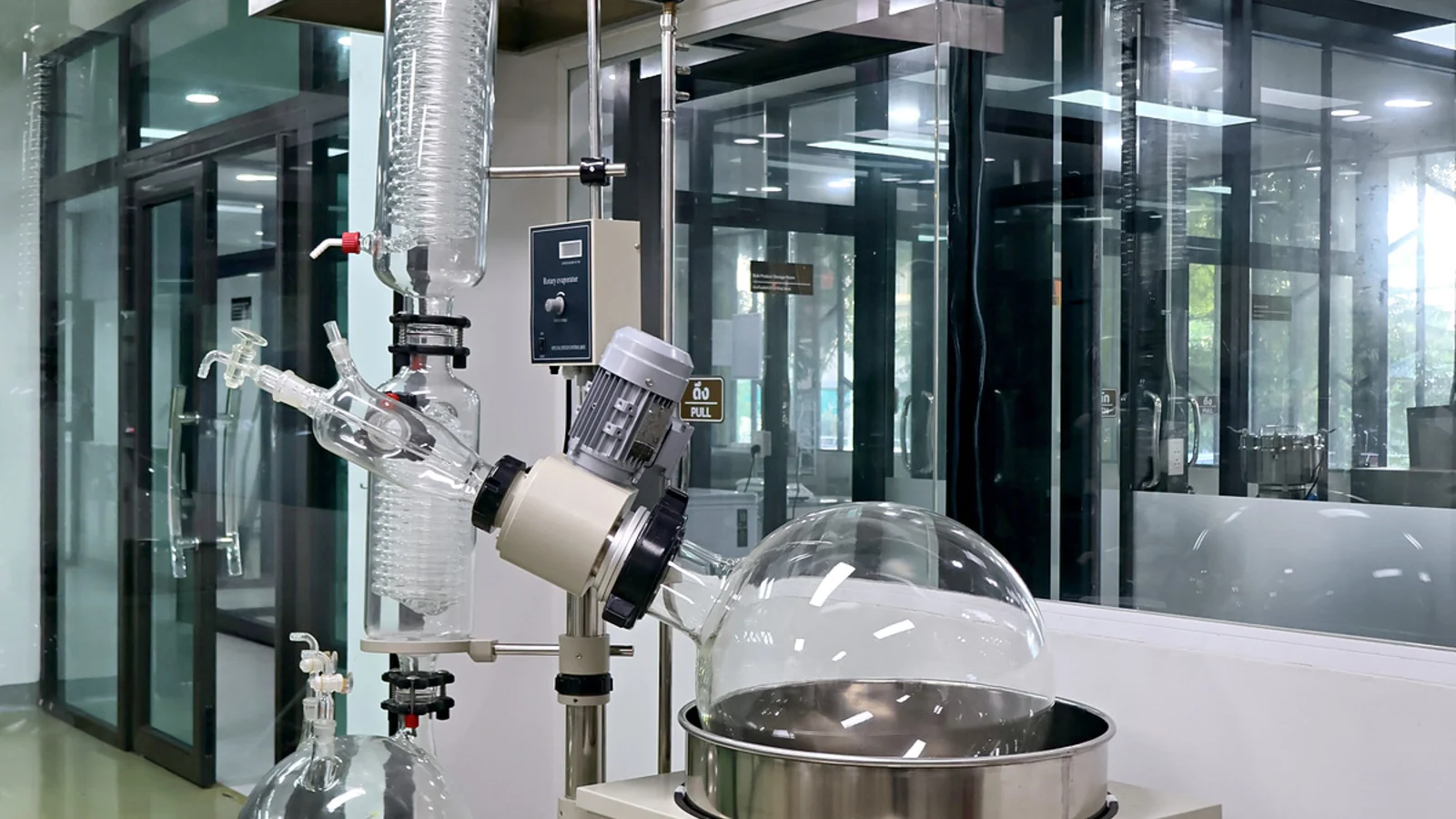
When the colour of an extract stops your formula turning out as intended
A question our sales team hears almost every week
“Can this extract be made lighter in colour?”
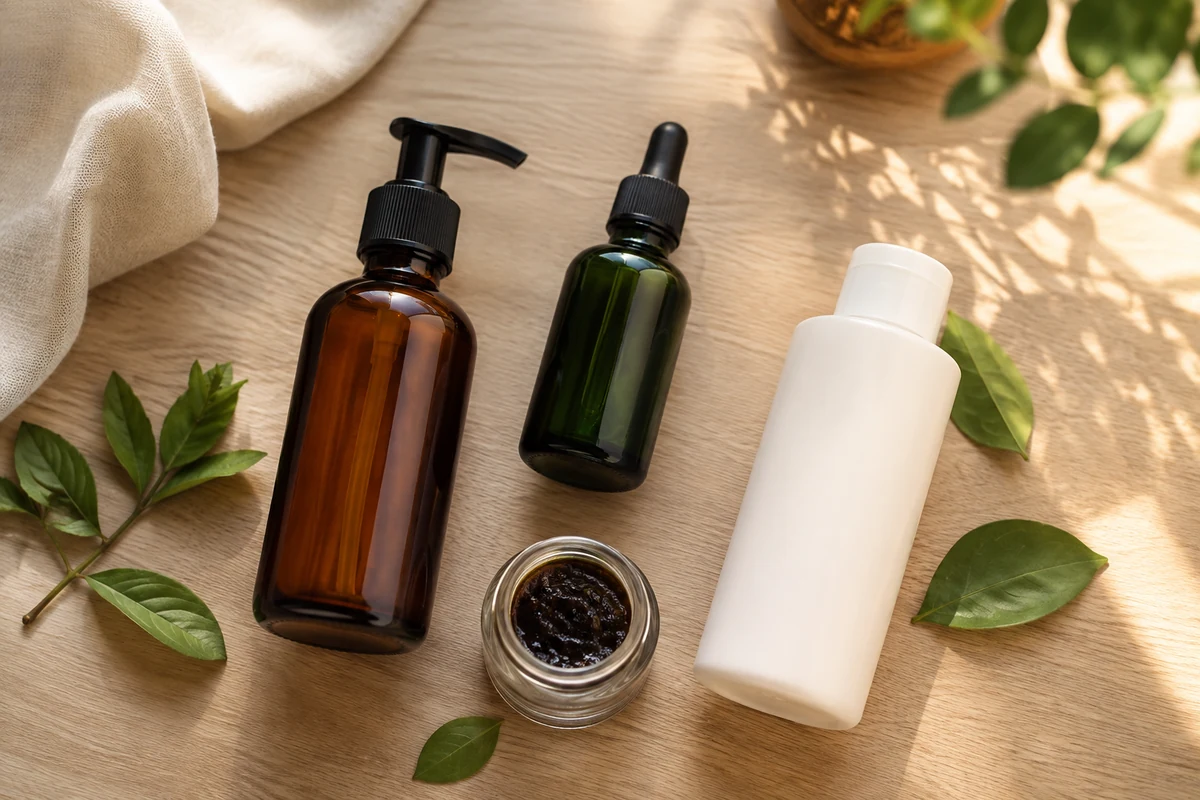
This question comes from two groups of customers. The first is cosmetics brands that want to make a white cream or a clear serum, but the herbal extract they have chosen is dark brown or dark green. Once it goes into the formula, the cream comes out light brown, which does not match the image planned for the brand.
The second is supplement brands making powdered drinks, where a dark colour makes the product look more like a herbal medicine than a health drink.
Both cases are real problems that affect sales, and there are solutions, but those solutions have costs you need to understand before deciding.
Why extracts have colour
The colour in an extract comes from three main groups.
Chlorophyll gives green and comes from the leaves and stems of the plant. It is not the target compound in almost any job, so it is the group that can be removed without affecting the value of the extract.
Oxidised polyphenols give brown and form during harvesting, drying and extraction when the compounds are exposed to air. This group is more complicated, because some of the precursors are the very compounds you want.
Pigments that are themselves the active compounds such as curcuminoids, which give yellow-orange, anthocyanins, which give purple-red, and carotenoids, which give orange. This group is the hardest case, because removing the colour means removing the active compound too.
Knowing which group the colour in your extract comes from is therefore the first question to answer before we talk about price.
The trade-offs, which we always tell you first
Lower active compound percentage This happens almost every time, because decolorization works by capturing compounds with ring structures, the same structures that produce colour, and many active compounds have that kind of structure too.
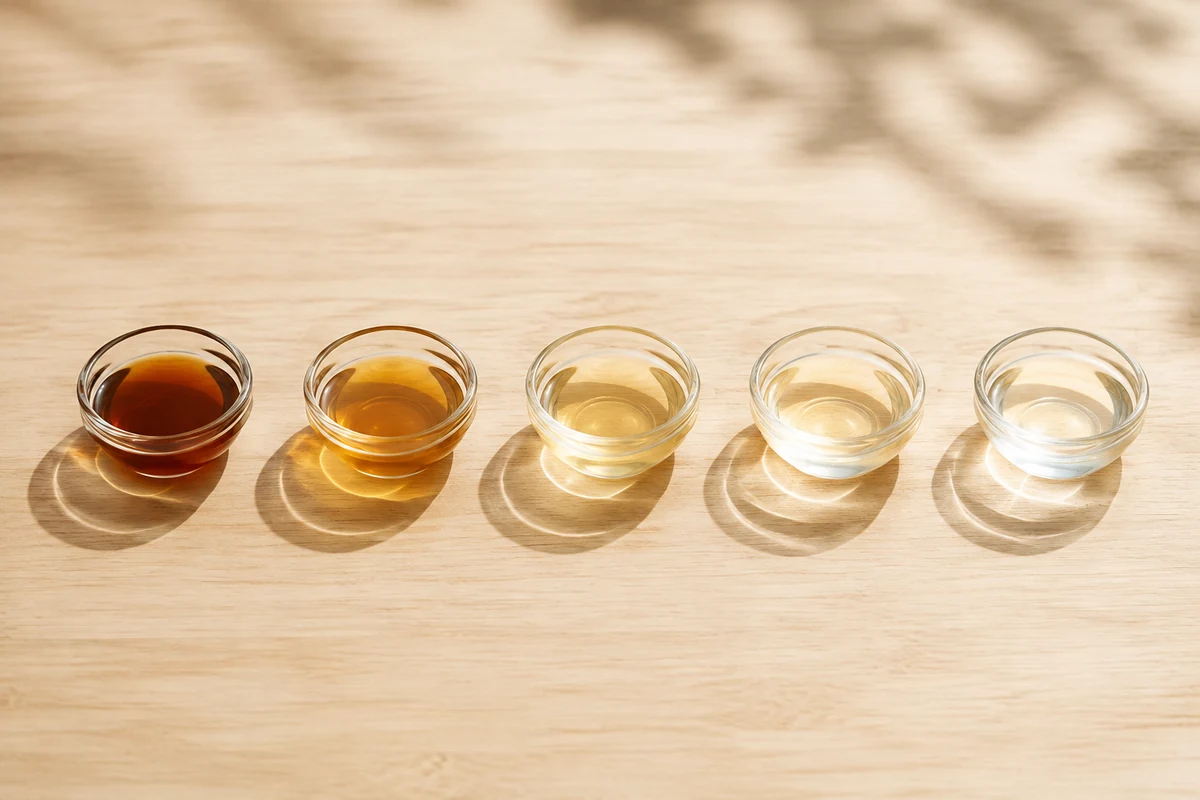
In practice this means that the lighter you make the colour, the more of the active compound is lost. We analyse before and after every time to report actual figures, not estimates.
Changes in odour and taste The compounds that give colour are often in the same group as those that give odour and taste, so decolorization usually makes the extract blander and its odour weaker as well. Sometimes this is a welcome side effect, and sometimes it means losing the product’s character.
Higher cost and lower yield both from the cost of the process and from material lost with the fraction that is removed.
Possible impact on natural claims depending on the method and materials used. We tell you from the start whether the method we propose affects this point.
Alternatives that are often better than decolorization
Before proposing decolorization, we always ask a set of questions first, because in many cases there is a cheaper solution that does not lose active compounds.
Adjust the amount used in the formula If the extract has a high enough active compound percentage, you may be able to use less of it to deliver the same amount of active, which reduces the colour proportionally. This costs nothing extra.
Change the plant part used Green from chlorophyll comes mainly from the leaves. Switching to the root or rhizome, which contains the same target compounds, may give a much lighter extract from the outset.
Adjust the extraction method Choosing a solvent system that pulls out less chlorophyll at the extraction stage is possible, and is often cheaper than removing it afterwards.
Change the product format Move from a white cream to a naturally coloured cream that communicates that it is made from real herbs. Some brands choose this route and it becomes a selling point instead.
Encapsulate instead of removing colour In some cases, entrapping the compound in liposomes makes the colour in the formula fade while the active compound remains intact.
We will tell you plainly if we assess that one of the alternatives above is better, even if that means less decolorization work for us.
The methods we use
Adsorption with activated carbon This is the most widely used standard method. The carbon captures the colour compounds and is then filtered out. The degree of decolorization is controlled by the amount of carbon and the contact time. The caution is that carbon also captures active compounds if too much is used.
Adsorption with selective resins These selectively capture the colour-giving group while letting the target compounds pass through. This method preserves active compounds better but costs more, and conditions have to be developed specifically for each job.
Membrane filtration separates by molecular size. It works when the colour compounds clearly differ in size from the target compounds, for example separating large-molecule pigments from small-molecule target compounds.
Two-phase separation relies on differences in solubility and is used as a first step before finer methods.
Our working process
Analysis of the colour source We identify which group the colour comes from and how closely it is linked to the target compounds. This step determines how far the job can go and whether it should be done at all.
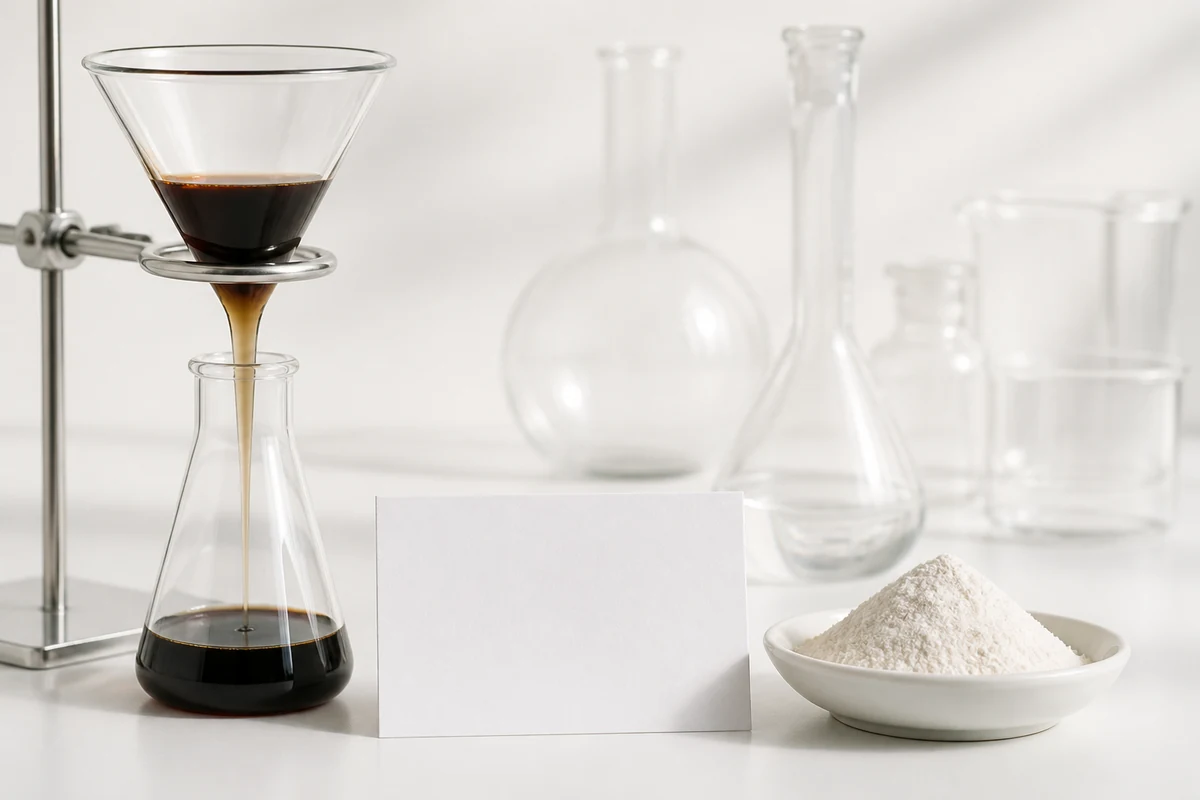
Setting a measurable colour target Instead of using the word lighter, we set a genuinely measurable value agreed by both sides, so that both parties know when the job is done.
Comparative trials We trial several intensity levels in a single round so you can see how much active compound remains at each colour level, then choose the acceptable point yourself. This step is the heart of the service, because it is a business decision, not a technical one.
Production and confirmatory analysis We proceed at the level you choose, then analyse to confirm both the colour value and the active compound content.
What you need to prepare
The starting extract with its current analysis results; a sample of the colour you want or the acceptable values; an outline of the end formula so we can assess whether the problem can be solved in the formula; the minimum quantity per run, which we will tell you after assessing the job; and the minimum acceptable active compound value after decolorization, a figure that must be set before starting, not decided after seeing the results.
What you will receive
The extract adjusted to the agreed colour; comparison samples at several levels from the trial round; clear before-and-after analysis of active compound content; information on the materials used in the process for your documentation; and advice on how much to adjust the usage level in your formula at this colour level.
The questions we ask, in order, before quoting
So that you do not pay for decolorization unnecessarily, we ask these five questions in order and stop as soon as we find an answer that solves the problem without decolorization.
One: does the colour seen in the formula really come from the extract, or from another ingredient? Sometimes the colour the customer is unhappy with comes from another substance in the formula or from a reaction between ingredients, not directly from the extract.
Two: can the amount of extract in the formula be reduced? If the extract has a high enough active compound percentage, using less gives the same effect and the colour fades proportionally, at no extra cost.
Three: can an extract from another part of the plant be used? Green from chlorophyll comes mainly from the leaves. Switching to the root or rhizome that provides the same target compounds may give a much lighter extract from the outset.
Four: can the extraction method be adjusted upstream? Choosing a solvent system that pulls out fewer pigments is often cheaper than separating the colour afterwards, because no target compound is lost in a separation process.
Five: is the dark colour a real problem or a matter of familiarity? For products that communicate that they are made from real herbs, a deep natural colour becomes proof. Some brands have switched from trying to hide the colour to explaining why the colour is the way it is, with better results.
Only if decolorization is still needed after all five questions do we quote and plan the trials.
Effects on labels and claims to consider before deciding
Decolorization does not only change the colour of the extract. It can also change what you write on the label, and this is an issue that is often thought about only after the decision has been made.
The first is the ingredient list. Some decolorization methods use adsorbent materials that are completely removed at the end of the process and so do not need to appear in the ingredient list, but some methods use chemicals that may leave residues at levels that must be reported. The choice of method therefore directly affects the length of the ingredient list on the label, which matters a great deal for products positioned as having few, easy-to-understand ingredients.
The second is natural claims. The term has no single legal definition across all markets, but buyers and consumers have their own expectations. Extracts decolorized by physical processes can usually still be described with confidence, while extracts that have undergone harsh chemical processes may be questioned in some sales channels, especially those with their own internal standards.
The third is the active compound value declared on the label. Decolorization often removes some compound groups along with the pigments, so the value measured after decolorization is lower than before. If the label was designed around the pre-decolorization value, you will end up with a product whose actual value does not match what is declared. This is a legal risk that is very easy to prevent simply by analysing after the process and before ordering packaging to be printed.
The last is the consistency of the marketing story. A brand that communicates that its product is minimally processed, then adds a decolorization step for appearance, is creating a contradiction that attentive consumers will notice. In such cases we usually recommend communicating that the colour variation between lots is evidence of naturalness, which is a stronger position and costs nothing extra.
Frequently asked questions (FAQ)
Q: How much active compound is lost through decolorization?
A: It depends on which group the colour comes from. If it is purely chlorophyll, the loss is very small. If the colour comes from the same group as the target compound, a large loss is unavoidable. We report actual figures from the trial round before you decide.
Q: Can the extract be made completely white?
A: In practice, almost no natural extract can be made completely white while retaining its value. If the product really has to be white, consider adjusting the formula or using an extract that is light-coloured from the outset instead.
Q: Does it affect natural claims?
A: It depends on the method and materials used, as well as the requirements of the certification standard you use. We tell you in advance whether the proposed method affects this, and suggest alternatives if there are restrictions.
Q: Will the colour darken again during storage?
A: It is possible, if the remaining compounds can continue to oxidise. If colour is an important issue for the product, we recommend running stability testing alongside (International Council for Harmonisation of Technical Requirements for Pharmaceuticals for Human Use, 2003).
Q: How long does it take?
A: There are two phases: the comparative trial round, and production after you have chosen the level. The number of working days for each phase is stated in the quotation.
Next step
Send a sample of your extract and tell us what colour your end product needs to [email protected] or LINE @zubbbiotech. We will analyse which group the colour comes from, assess whether decolorization is worthwhile or the formula should be adjusted instead, and come back to you as soon as possible with options and a price range.
Contact us and request a quotation
Send us the details of your project at Contact us or LINE @zubbbiotech · Tel. +66 89 056 5651 · +66 97 297 1777 · Email [email protected]
References
- International Council for Harmonisation of Technical Requirements for Pharmaceuticals for Human Use. (2003). Stability testing of new drug substances and products Q1A(R2).