

Stability Testing Service
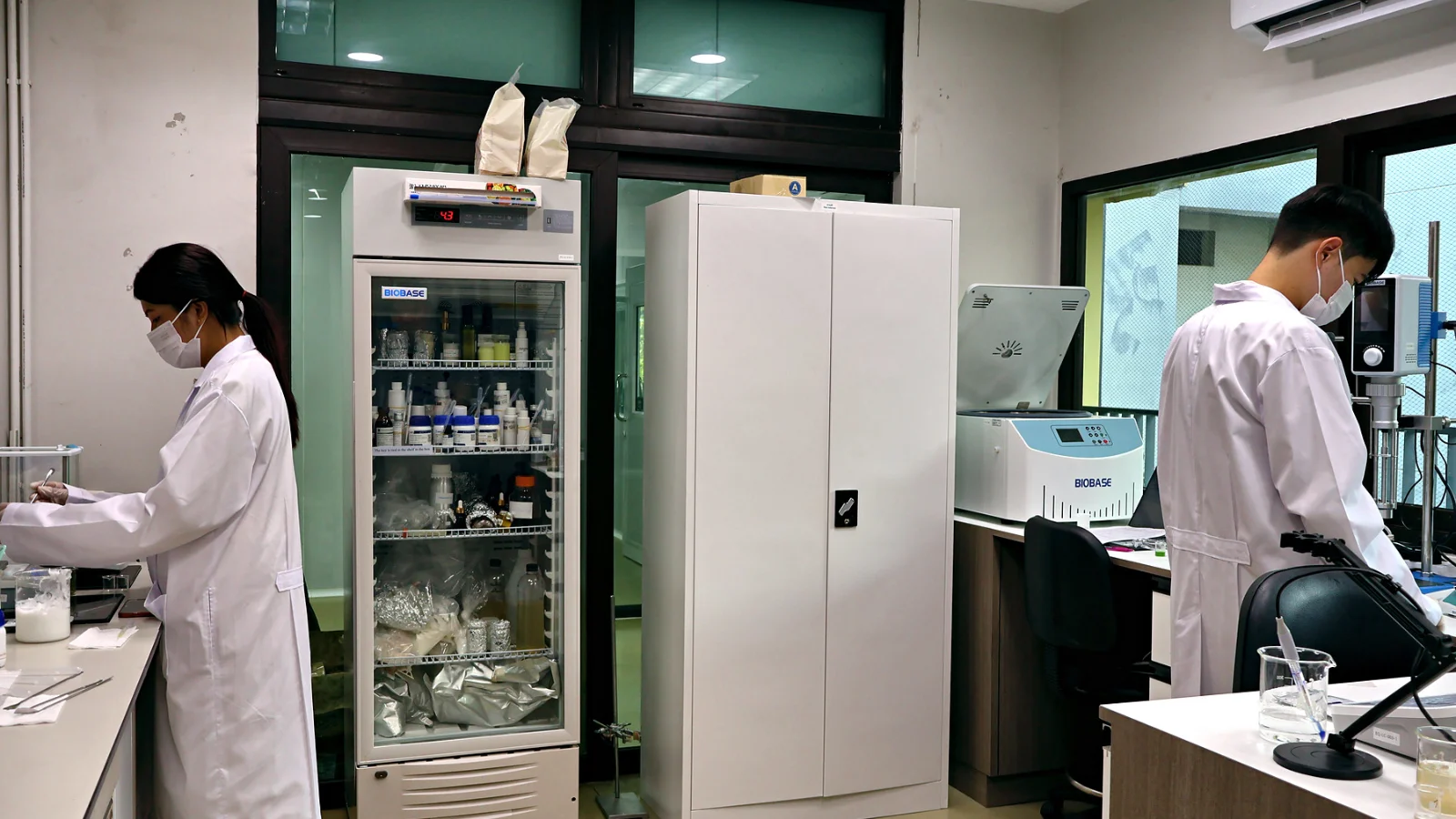
“A formula that looks good on day one may separate, change colour or deteriorate a month later. Stability testing proves that your formula is genuinely ready to stay with your customers for the whole shelf life of the product, before you invest in a large production batch.”
Zubb Biotech sees stability testing as a step that brand owners of dietary supplements and cosmetics often overlook, yet it is a critical checkpoint that proves a formula can maintain its quality, safety and performance throughout its time on sale, before you decide to invest in mass production.
A formula that has not been stability tested may develop problems after production, such as phase separation, changes in colour or odour, degradation of active ingredients or microbial contamination. These problems not only mean discarding an entire batch but also damage brand credibility and may lead to returns and recalls.
This article explains what stability testing is, what it covers, which testing methods are used, what Zubb Biotech’s stability testing service includes, and why testing with a partner who understands everything from formulation to production helps brands feel confident before a large production run.
Why stability testing is quality insurance before a large production batch
Stability testing is the main mechanism for detecting formula problems before products reach consumers. Products that develop problems after going on sale, such as phase separation, active ingredient degradation or contamination, often lead to returns, negative reviews and recalls, all of which cost far more than testing from the start.
Safety data clearly reflects this risk. According to the European Commission’s Safety Gate 2024 annual report (European Commission, 2025), cosmetics were the product category with the most safety alerts, accounting for around 36 percent of all 4,137 alerts, up from around 10 percent in 2022. Meanwhile, a study of 334 cosmetic recalls in the United States between 2011 and 2023 found that around 76.8 percent involved microbial contamination (Venkatesh et al., 2024), which is something stability testing and preservative system testing help to prevent.
In Thailand’s fast-growing market, Marketeer Online, citing Grand View Research and Euromonitor International, reported that the dietary supplement market reached 100,000 million baht in 2025 (Temsiri Just II, 2026), while Krungthai COMPASS estimated the Thai cosmetics market for the same year at around 180,000 million baht. In a large market where consumers have plenty of choice, products with consistent quality are what keep customer trust.
What is stability testing and what does it test?
Stability testing checks whether a formula retains its intended properties under the storage conditions expected throughout the product’s shelf life, assessing several dimensions at the same time.
Physical stability
Checks appearance, such as colour, odour, texture, phase separation and viscosity, to see whether they change over time. These changes affect both the product’s look and consumer confidence.
Chemical stability
Checks whether active ingredients and other components keep their specified levels and properties, since some substances may degrade when exposed to heat, light or air, which affects product quality.
Microbiological stability
Checks whether the formula’s preservative system can control microbial growth throughout the product’s shelf life. This is one of the most important safety factors for this product group, because microbial contamination is a leading cause of product recalls in many countries, so this testing is a line of defence brand owners should not overlook.
Packaging compatibility
Checks that the formula and packaging are compatible and do not react in ways that degrade the formula or damage the packaging, since unsuitable packaging can cause problems even for a good product.
Testing methods: real-time and accelerated
There are two main stability testing methods, usually carried out side by side to obtain both short-term and long-term data.
Real-time testing
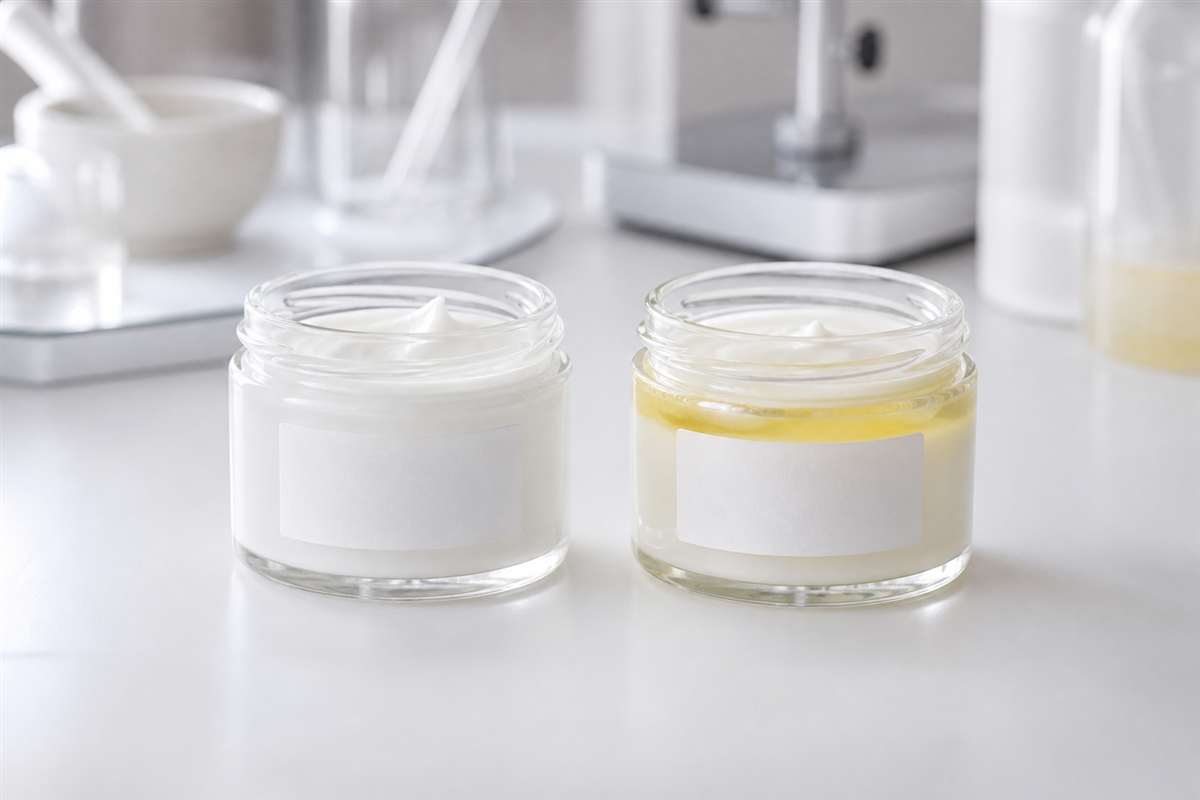
Samples are kept under normal storage conditions and checked at intervals, which may take up to 36 months, to confirm the actual shelf life. This method gives the most accurate data but takes a long time, so it is often started alongside the initial launch to confirm the shelf life stated on the label over the long term.
Accelerated testing
Samples are kept under conditions that speed up degradation, such as 40 °C and 75 percent relative humidity, for 3 to 6 months, to assess stability trends more quickly. This helps brand owners make decisions before moving into actual production.
Scope of Zubb Biotech’s stability testing service
Zubb Biotech’s stability testing service is designed specifically for brand owners in the beauty and health industries. The work is divided into three main steps.
1. Test planning by product type
Our team assesses the product type and formula, then plans suitable testing, including the parameters to check and the data collection period, so the results answer the brand’s decision-making needs. Good planning from the start avoids unnecessary repeat testing and saves both time and budget.
2. Testing under standard conditions
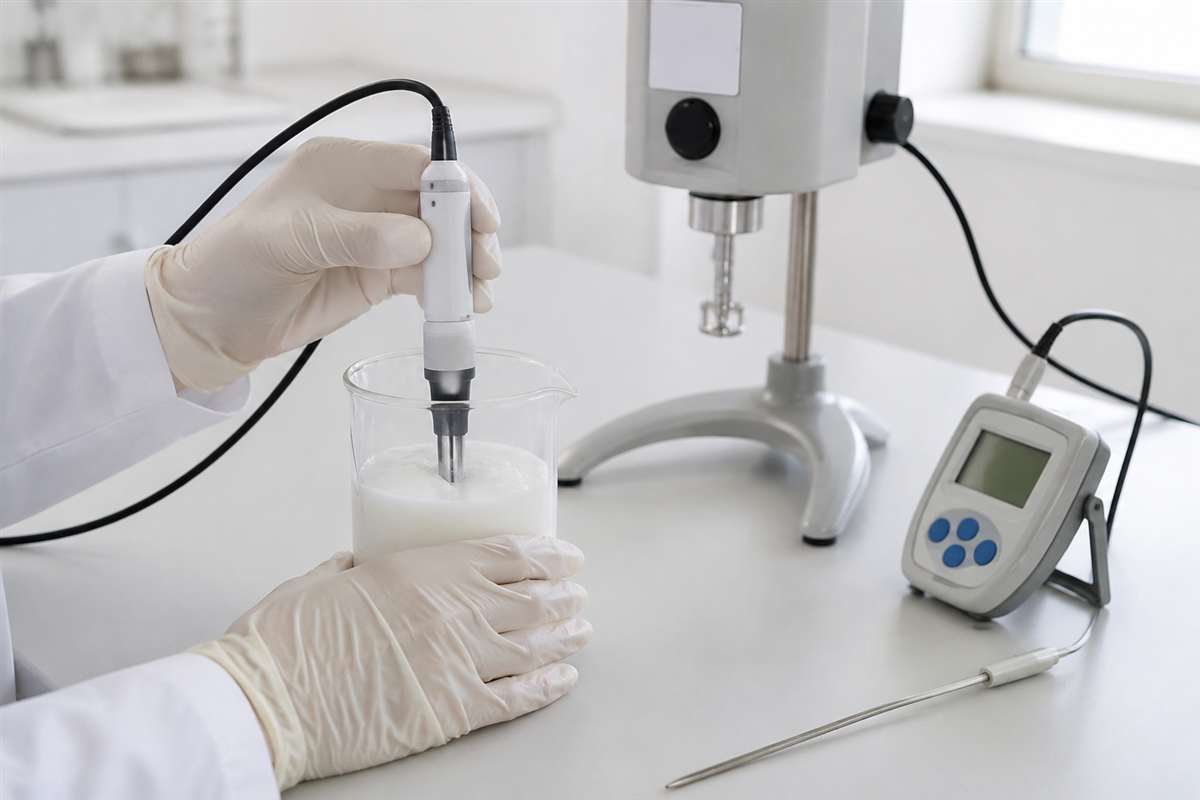
Testing is carried out under the defined conditions, both real-time and accelerated, with physical, chemical and microbiological parameters checked at the planned intervals.
3. Results summary and recommendations
Our team summarises the test results in an easy-to-understand report, with recommendations if the formula or packaging needs adjusting, so brand owners can use it to make confident decisions before a large production run. The report can also serve as supporting data for setting the shelf life on the label and for related regulatory submissions.
The risks of skipping stability testing
Some brand owners choose to skip stability testing to save time and budget, but the risks that follow usually cost far more. Understanding these risks helps you make a well-considered decision.
Losing an entire batch
If a formula develops problems after mass production, the brand owner may have to discard the whole batch, a loss many times greater than the cost of testing.
Damage to brand credibility
Products that deteriorate before their expiry date lead to negative reviews and returns, which harm a brand image that took a long time to build.
Legal and safety risks
Products without supporting stability data may carry safety and legal risks, particularly when contamination or deterioration affects consumers.
Stability testing connected to formulation and production
What sets Zubb Biotech’s service apart from a typical testing laboratory is that we connect stability testing with formulation and actual production. When a formula needs adjusting, our formulation team can carry on immediately, reducing the time spent coordinating between several parties.
Working end to end also means the test data flows directly into notification and production. Brand owners gain both confidence in quality and speed to market.
Starting with a partner who handles everything from formulation and testing through to production gives brand owners confidence that the products actually manufactured match the quality that was tested, and closes the gaps that often occur when the testing laboratory and the factory are separate organisations that do not communicate directly.
When should a brand carry out stability testing?
Stability testing matters at several points in product development. Knowing when to test helps you plan appropriately.
Before the first large production batch
This is the most important point, because it confirms that the formula is ready for mass production, reduces the risk of losing an entire batch, and lets brand owners plan production and marketing with confidence.
When reformulating or changing raw materials
Changes to ingredients or raw material sources can affect stability. Retesting confirms that the new formula still maintains its quality.
When changing packaging
New packaging may react with the formula differently from before. Compatibility testing helps prevent problems after the change, especially when changing packaging material or switching to a supplier whose materials may differ from the original.
Next step with Zubb Biotech
For brand owners who want to manufacture with confidence, stability testing before a large production batch is an investment that reduces risk and protects both your budget and your brand’s reputation. A formula that has passed testing is a formula genuinely ready to stay with your customers.
If you are looking for a partner who understands brand building in the beauty and health industries, from formulation and stability testing through to actual production, Zubb Biotech is ready to work alongside you at every step. Talk to our team to plan stability testing so your formula is ready for production with confidence.
“An innovation partner that takes care of your brand from formula to shelf”
Contact us about stability testing
Zubb Biotech is ready to advise brand owners and OEM manufacturers on everything from formulation and Thai FDA notification to production and brand building. For details or a quotation, contact us via Contact us
LINE: @zubbbiotech · Tel. +66 89 056 5651, +66 97 297 1777 · Email [email protected]
- Biomarker Analysis Service
- Ingredient Formulation Service
- One-stop OEM/ODM Cosmetics and Dietary Supplement Manufacturing
Frequently asked questions (FAQ)
Q: What does stability testing check?
A: It checks four areas: physical stability (colour, odour, texture, phase separation, viscosity), chemical stability (active ingredient content), microbiological stability (preservative system) and packaging compatibility.
Q: What is the difference between real-time and accelerated testing?
A: Real-time testing keeps samples under normal storage conditions and checks them at intervals, which may take up to 36 months and gives the most accurate data. Accelerated testing stores samples at 40 °C and 75 percent relative humidity for 3 to 6 months to assess trends quickly. The two are usually done side by side.
Q: When should stability testing be done?
A: The most important point is before the first large production batch. Testing should also be repeated when reformulating or changing raw material sources, and when changing packaging.
Q: What are the risks of skipping stability testing?
A: You risk losing an entire batch if the formula develops problems after mass production, negative reviews and returns that damage your brand’s reputation, and safety and legal risks if contamination or deterioration occurs.
Q: What are the steps of the stability testing service?
A: There are three steps: planning the tests by product type and formula, testing under standard conditions both real-time and accelerated, and summarising the results in a report with recommendations if the formula or packaging needs adjusting.
References
- ASEAN Cosmetic Committee. (n.d.). ASEAN Cosmetic Directive: Annex I, Part 5 – Guidelines for product information file. National Pharmaceutical Regulatory Agency, Malaysia. https://www.npra.gov.my/images/Guidelines_Central/Guidelines_on_Cosmetic/Annex_I_Part_5_.pdf
- Citrus Labs. (n.d.). How stability testing ensures product quality and shelf life. https://www.citruslabs.com/post/how-stability-testing-ensures-product-quality-and-shelf-life
- European Commission. (2025, April 16). List of dangerous products notified in Commission’s Safety Gate 2024 sets the path for increased consumer protection [Press release]. https://ec.europa.eu/commission/presscorner/detail/en/ip_25_1064
- Health Sciences Authority. (n.d.). ASEAN Cosmetic Directive. Government of Singapore. https://www.hsa.gov.sg/cosmetic-products/asean-cosmetic-directive/
- Krungthai COMPASS. (n.d.). The Thai cosmetics market remains bright: watch the fierce competition in the beauty game [in Thai]. Krungthai Bank. https://krungthai.com/th/financial-partner/learn-financial/2303
- Temsiri Just II. (2026, January 29). Thai dietary supplement market reaches 100,000 million baht for the first time in 2025: five new health trends driving nearly 10 years of continuous growth [in Thai]. Marketeer Online. https://marketeeronline.co/archives/452714
- Venkatesh, K. P., Kadakia, K. T., Akbarpour, A., & Nambudiri, V. E. (2024). US Food and Drug Administration recalls of cosmetic and personal products from 2011 to 2023: A cross-sectional study. Journal of the American Academy of Dermatology. Advance online publication. https://doi.org/10.1016/j.jaad.2024.09.040