

Enzyme-Assisted Extraction Service
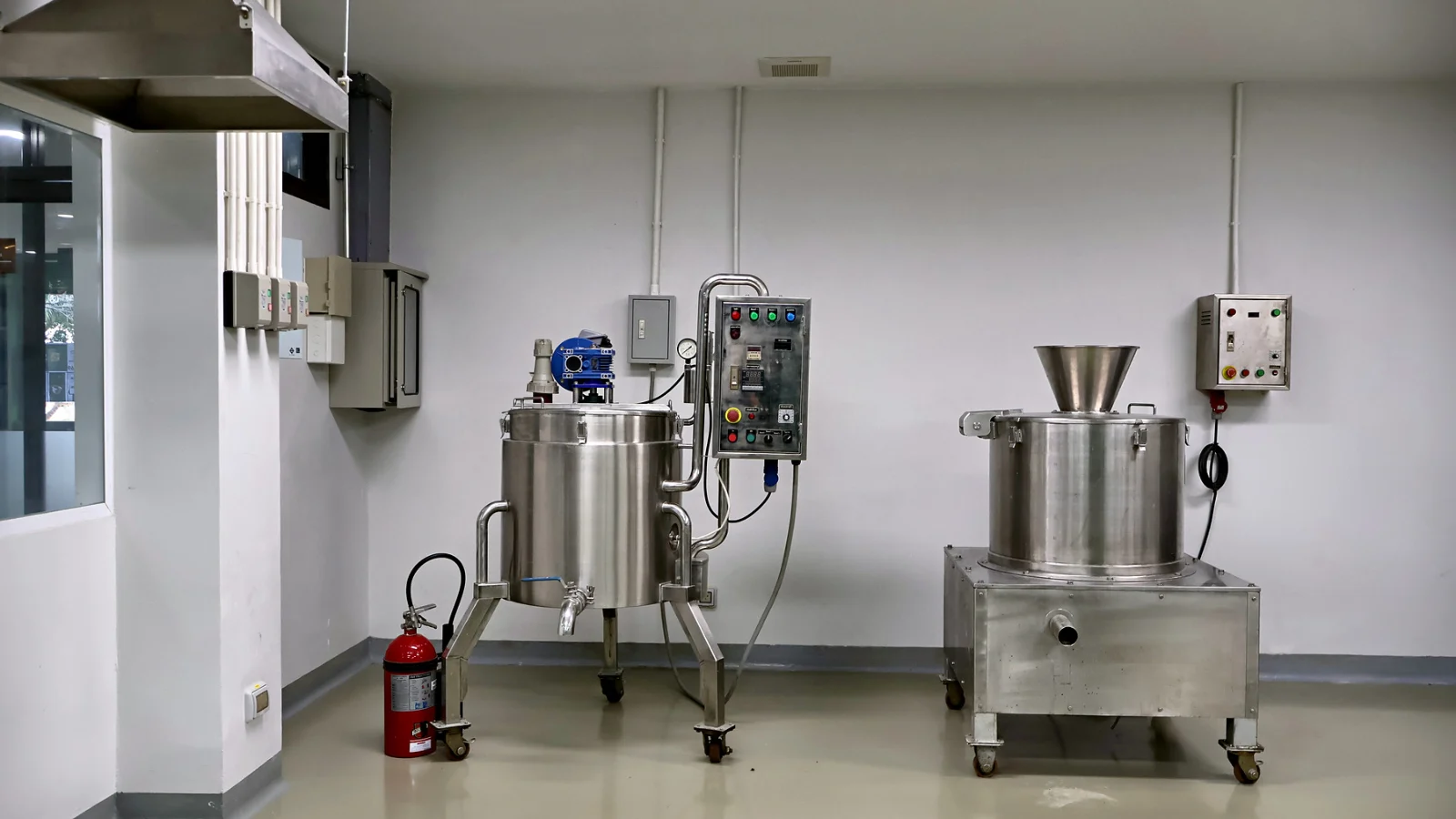
Opening plant cell walls without harsh conditions
The wall standing between you and the active compounds
Active compounds in plants are not simply floating free. They are stored inside cells enclosed by walls, and a plant cell wall is not a thin membrane but a structure made of cellulose, hemicellulose, pectin and lignin, materials that are strong and resistant to solvents.
For soft plant material, solvents penetrate reasonably well and traditional methods give acceptable results. But for high-fibre raw materials such as peels, seeds, press cake and mushroom cell walls, the yield is often far below the amount of compound actually present in the raw material.
Faced with this problem, the traditional answer is to use higher heat, stronger solvents or longer times, and all three come at the cost of damaging the target compound.
Enzyme-assisted extraction is a different answer: break down that wall first, and the compounds then flow out on their own without harsh conditions.
How it works
Enzymes are proteins that catalyse specific reactions. Nature already has enzymes that can break down each of the components of plant cell walls.
We choose enzymes to match the cell wall composition of each raw material. Cellulases break down cellulose, the main framework of the cell wall; pectinases break down pectin, which binds cells together; hemicellulases break down hemicellulose; and proteases are used when the target compound is bound to protein.
Enzymes work at moderate temperatures and near-neutral pH, conditions that most target compounds tolerate easily. This is unlike strong acids or alkalis, which also break down cell walls but destroy the target compound as well.
Advantages that carry business weight
Higher yield from the same raw material This is the main advantage, especially with hard-to-extract raw materials, and it means a lower raw material cost per kilogram of extract.
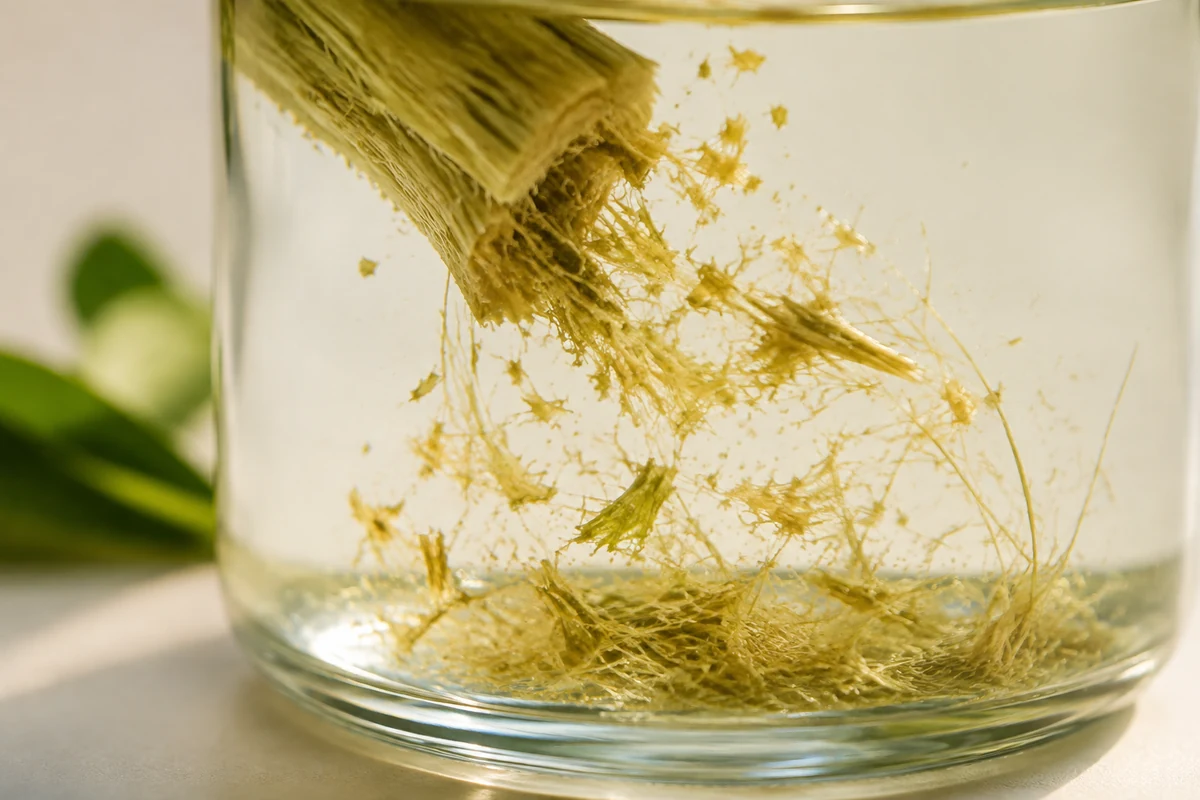
Gentle conditions Near-natural temperature and pH keep compounds that are sensitive to harsh conditions intact.
Less use of organic solvents In many jobs, enzymes combined with water give results close to those of organic solvents, which opens the way for the product to be positioned in the natural segment.
Making use of by-products Oil press cake, peels from the fruit processing industry and materials that used to be discarded become raw materials from which compounds can be extracted once enzymes have opened up their structure.
Limitations to know before deciding
Enzymes are a real added cost and good-quality enzymes are not cheap. In jobs where the yield gain is not large enough, the difference may not be worth it.
An enzyme deactivation step is required Once digestion has gone as far as needed, the reaction must be stopped with heat or a pH adjustment. Otherwise the enzymes keep working and may break down the target compound too. This step adds time and must be precisely controlled.
The enzymes used must be declared in documentation Even after they have been deactivated, the use of enzymes must be stated in the manufacturing process information, and some markets require the enzyme source, meaning which microorganism it comes from, to be stated. This affects products that want halal or vegetarian claims. We provide this full set of information from the start.
Digestion time is hard to control because it depends on the condition of each lot of raw material, so a fixed time does not work. The process has to be monitored as it runs.
Which raw materials and compound groups benefit most
Mushrooms and yeasts Mushroom cell walls are made of chitin and glucans, which are tougher than ordinary plant cell walls, so extracting beta-glucan from mushrooms without enzymes gives a low yield. This is the group where the difference is clearest.
High-fibre raw materials Bark, fruit peels, seeds and tough roots, which contain active compounds that are hard to reach.
By-products from processing industries Oil press cake, pomace from juice making and residues from food factories, which still contain high-value compounds.
Compounds bound to protein or fibre Some compound groups do not float freely in the cell but are bound to other structures. Using enzymes to release those bonds is the only way to extract them in intact form.
Our working process
Cell wall composition analysis The first step is to find out what the raw material’s cell walls are mainly made of, so we can choose the right enzymes. The wrong choice means paying for enzymes that do not work.
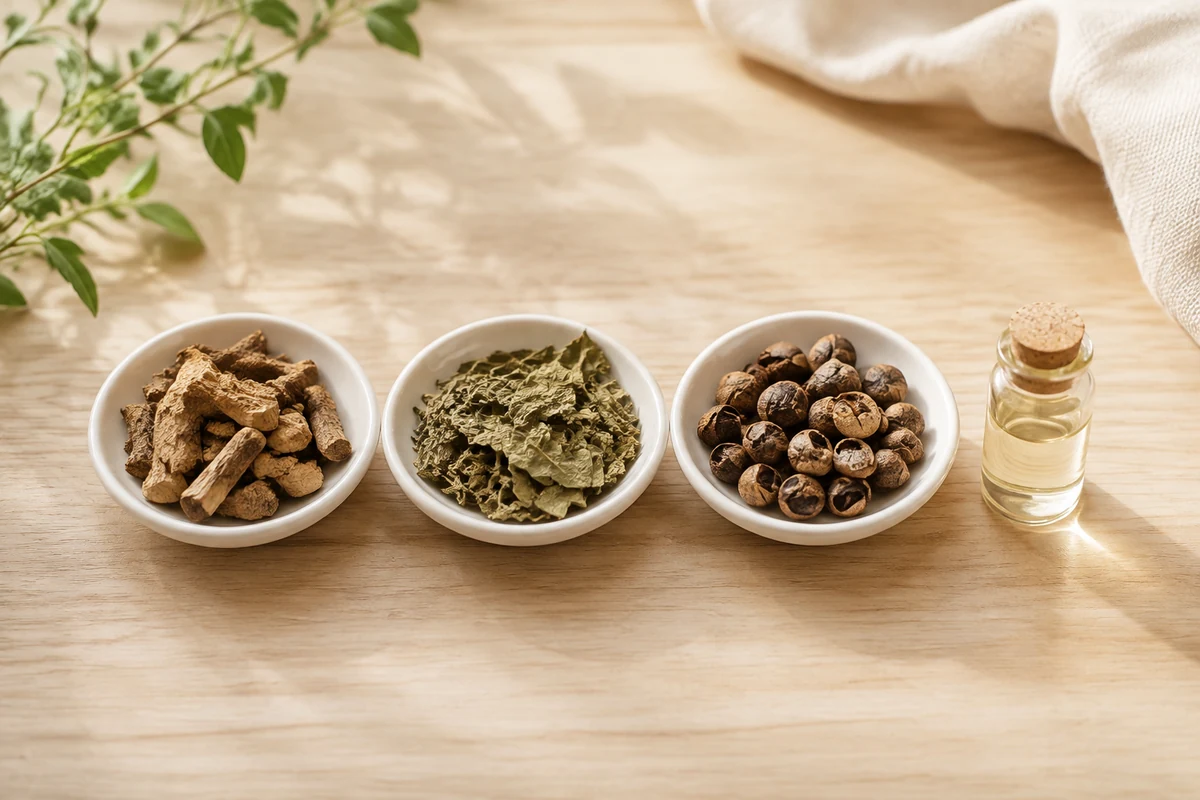
Setting the conditions Each enzyme works best at a specific temperature and pH. We set conditions so the enzymes work fully while the target compound stays safe, which is sometimes a matter of finding a compromise between the two requirements.
Digestion and monitoring We run the process and take samples at intervals to see when compound release peaks, which is the point to stop.
Stopping the reaction We deactivate the enzymes using a method that does not affect the target compound.
Extraction and further purification Once the cell walls are open, the material moves on to normal extraction, which now takes less time and uses less solvent.
What you need to prepare
The name of the raw material, the part used and the target compound; the minimum quantity per run, which we will tell you after assessing the job; and yield data from your current method, if available, to use as a baseline for comparison.
Any claim restrictions, for example halal, vegetarian or non-GMO requirements, because these restrictions rule out many enzyme options and need to be known from the start.
What you will receive
The extract with a certificate of analysis for each lot; information on the type and source of the enzymes used, for your registration and claims documentation; yield comparison data against the traditional method; and production condition data so the process can be repeated.
An example of working out whether it pays
The question of whether to use enzymes comes down to comparing two figures.
The first is the value of the additional extract obtained, calculated as the extra quantity multiplied by the selling price per kilogram. The second is the added cost, made up of the enzymes, the equipment time used in the digestion and deactivation steps, and the extra labour.
What usually makes this calculation come out in favour for high-fibre raw materials is that the yield difference in that group is often large enough to cover the cost. For soft raw materials that are already easy to extract, the difference is usually too small to be worthwhile.
Another dimension to consider is that in some projects the starting raw material is a by-product of another process with a cost close to zero. In that case the equation changes completely, because every gram of compound extracted is new revenue from something that previously cost money to dispose of.
What to know about documentation and claims
Enzymes are processing aids, not ingredients of the end product, but we always state their use in the manufacturing process information, because auditors and corporate buyers have a right to know, and it is already traceable from the production records.
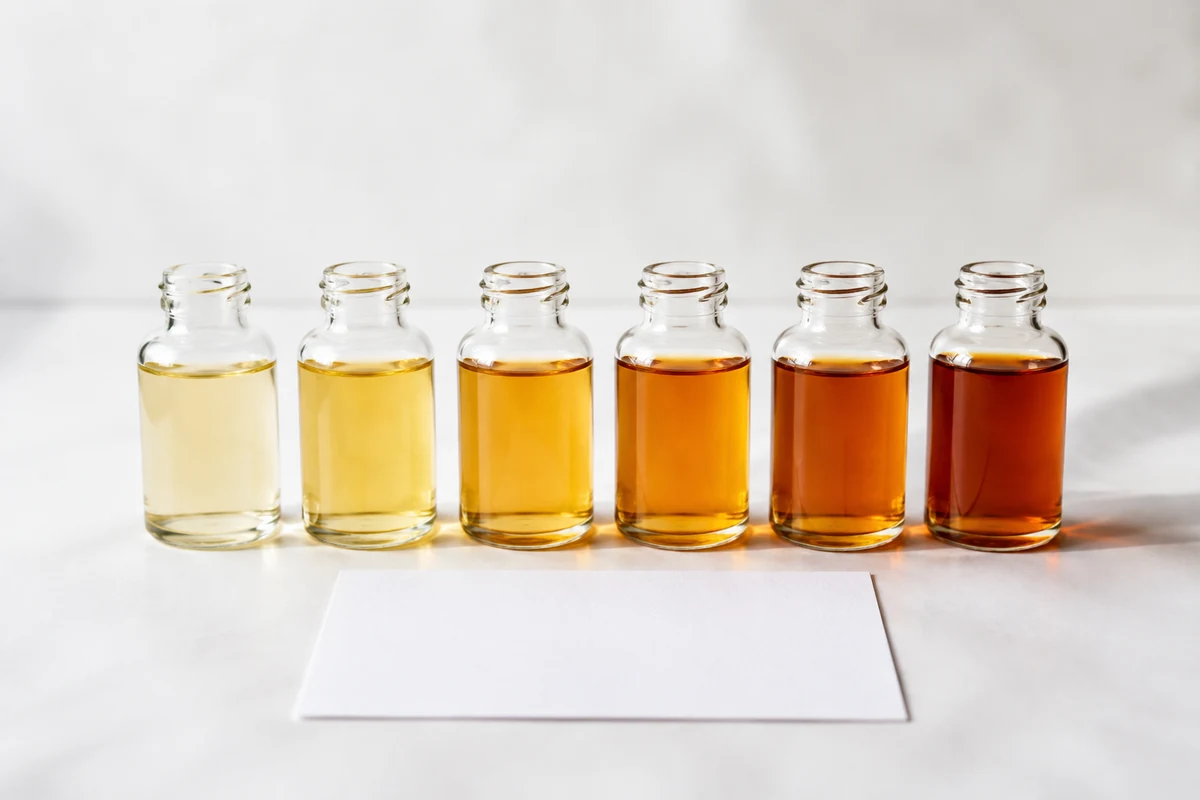
For brands that want halal or vegetarian claims, the source of the enzyme is an issue that must be checked, because enzymes can be produced from many sources. We select enzymes with documentation certifying a source that meets your requirements, and tell you about any restrictions before work begins.
Choosing enzymes, and why there is no ready-made formula
The question customers ask most often is which enzyme to use, and the honest answer is that it depends on what your raw material’s cell walls are made of, which varies with plant species and the part used. Taking an enzyme that worked for someone else and using it on your own raw material therefore often gives results that are not worth the money spent on the enzyme.
Plant cell walls are generally a network of cellulose, hemicellulose and pectin in different proportions. Fruit flesh tends to be high in pectin, peels and stems tend to be high in cellulose and lignin, and seeds often have protein as an important component enclosing the fat. Choosing enzymes must therefore start from knowing what is to be broken down, not from a brand name.
In practice, most jobs do not use a single enzyme but a blend, so that the structure can be broken down at several points at once. The proportions of the blend have to be found by experiment, and this is where experience with that particular raw material is most valuable, because it helps rule out options that are unlikely to work before testing every combination.
Besides the type of enzyme, three other variables determine the result just as much: the pH of the system, the temperature and the reaction time. Each enzyme has its own optimal range, and when they are used in a blend we have to find compromise conditions in which all of them can still work, which is usually not the optimum for any single one.
Finally, the reaction has to be stopped at the right time. Left too long, the enzymes start breaking down things we do not want broken down, or create by-products that interfere with the next steps. Defining the stopping point is therefore part of process development, not a minor detail, and it is why this kind of work must always go through a small-scale trial before scaling up.
Frequently asked questions (FAQ)
Q: Do enzymes remain in the extract?
A: The enzymes are deactivated in the reaction-stopping step, and as proteins they are removed in the normal filtration and purification steps. We still always state their use in the manufacturing process documents, because auditors and buyers have a right to know.
Q: Does it affect natural product claims?
A: Generally not, because enzymes are processing aids that are removed, not ingredients of the product. However, the requirements of each certification standard differ, so you should check with your certification body first.
Q: How much can yield increase?
A: It varies greatly with the raw material. High-fibre raw materials show a much clearer difference than soft ones. We run a comparative trial so you can see real figures before deciding.
Q: Can it be combined with ultrasound?
A: Yes, and it is a combination that works well with especially hard-to-extract raw materials, with the ultrasound helping the enzymes reach the cell walls more thoroughly. We will assess whether it is worth the added cost.
Q: How long does it take?
A: We count it in working days per run, including the digestion and deactivation steps. If a trial run is needed first it takes longer, and the number of days is stated in the quotation.
Next step
Send the name of your raw material and target compound to [email protected] or LINE @zubbbiotech, especially if you are facing low yields from high-fibre raw materials. We will assess how much enzymes can help and whether it is worthwhile, and come back to you with a price range as soon as possible.
Contact us and request a quotation
Send us the details of your project at Contact us or LINE @zubbbiotech · Tel. +66 89 056 5651 · +66 97 297 1777 · Email [email protected]