

Water Extraction Service
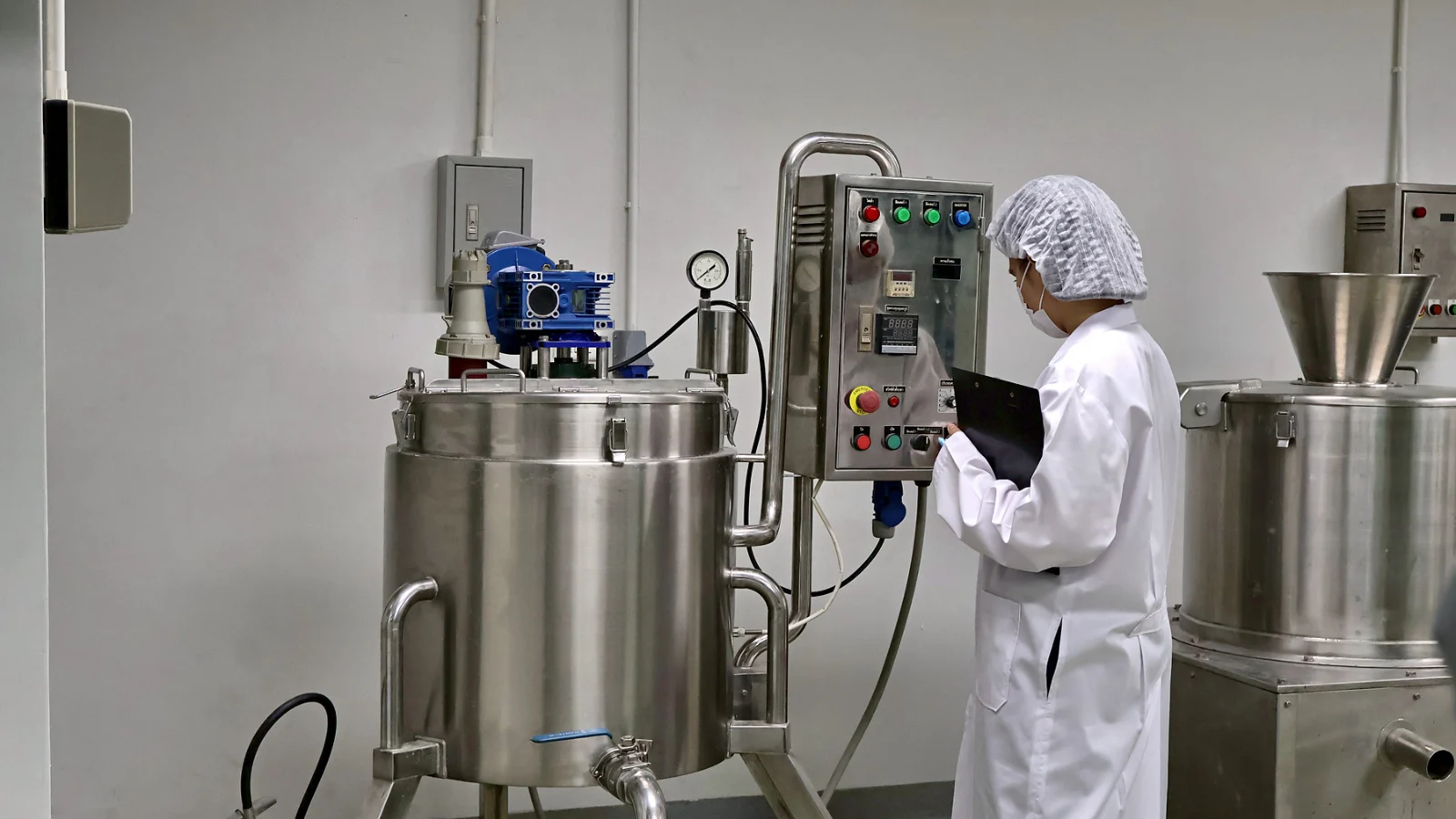
The option for water-loving compounds and easy-to-read labels
Not every compound needs a solvent
There is a misconception in this industry that makes manufacturers pay more than they should: the belief that the more complex the extraction method, the better the result.
In reality, the best method depends on the target compound, not on how sophisticated the equipment is. Many of the compound groups the health market is most interested in right now are naturally water-soluble. Using organic solvents on them adds cost, a solvent-removal step and a residual-solvent test, without a proportional gain in yield.
Water extraction suits two groups. The first is brands whose target compounds are already water-loving. The second is brands positioned in the natural segment, or whose end customers require that no organic solvents be used in production, a requirement that is becoming more common in Europe.
What has to be controlled, and why this method is harder than it looks
It sounds like the simplest method of all, since it uses only water and heat. In practice it is the hardest to control in terms of microbiological safety.
The reason is straightforward. Water is a medium in which microorganisms grow well, and an extract containing dissolved plant sugars is excellent food for them. Every hour an extract spends dilute and warm is time in which the risk grows.
So we control three key points in every water extraction job.
Temperature and duration High enough to draw the compounds out and reduce the microbial load of the raw material, but not so long that the target compound degrades. This balance point differs by compound, and we find it in a trial run before full production.
Rapid water reduction After filtration we send the extract straight to concentration, never leaving it overnight, because the dilute stage is the riskiest.
Continuous drying The concentrate goes into drying immediately to bring water activity down to a level at which microorganisms cannot grow.
Our microbial targets follow the limits Thai law sets for food (Notification of the Ministry of Public Health No. 416 B.E. 2563, 2020), and we work under the general principles of food hygiene (Codex Alimentarius Commission, 2022).
Which compound groups this method handles well
Polysaccharides are the core group of this service and one the supplement market is increasingly interested in. Beta-glucan from mushrooms is the clearest example: a large, water-soluble molecule that does not dissolve in organic solvents, so using ethanol on it gives the opposite of what you want. Besides mushrooms, the mucilage from aloe vera and okra also belongs to this group.
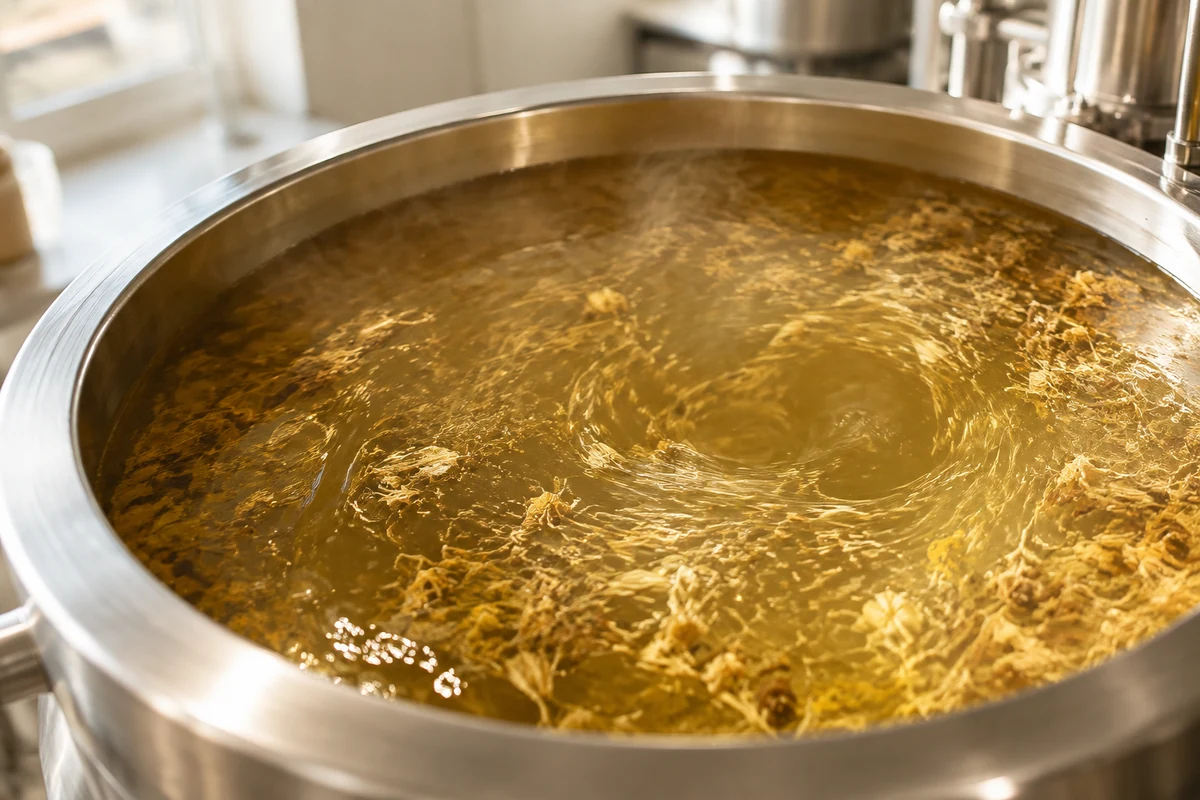
Peptides and amino acids from plant protein hydrolysis are a growing group in the alternative-protein and cosmetics markets. They need especially careful temperature control because heat easily damages their structure.
Anthocyanins the pigments of purple and red fruits, dissolve well in water but are sensitive to both heat and pH. Water extraction must therefore control pH throughout, or the colour shifts and the key-compound value drops.
Sugars and their derivatives from roots and tubers, used both as actives and as carriers in formulations.
Compound groups this method is not suited to
Oils and all water-repelling compounds, because water can’t dissolve them in the first place. If your target is an essential oil, an oleoresin or another water-repelling compound, the right methods are steam distillation, cold pressing or supercritical carbon dioxide.
In-between groups, such as many flavonoids, can be extracted with water but give significantly lower yields than ethanol. Here you weigh yield against the clean-label advantage, and we put both into numbers before you decide.
How we work
Raw material preparation. Milling to a size that lets water reach the whole interior without being so fine that filtering becomes difficult. Mushrooms and materials with thick cell walls may need a cell-wall disruption step first so the compounds can be released.
Extraction. Temperature, duration, water-to-material ratio and pH are controlled according to the target compound group. Several passes with fresh water are run when full recovery is needed.
Filtration and sediment separation. Spent material and suspended solids are removed. Extracts high in polysaccharides are viscous and harder to filter than usual, so a suitable filtration system is required.
Concentration. Water is evaporated under reduced pressure to limit heat build-up. This is the most energy-intensive step of the process, and the reason water extraction is not always cheaper than other methods.
Drying. The concentrate is passed on to spray drying or freeze drying, depending on the compound and its heat sensitivity.
What you need to prepare
The raw material and part used, the quantity you have on hand (we confirm the minimum per batch after assessing the job), and the target compound or the value you want to control, for example a minimum beta-glucan content.
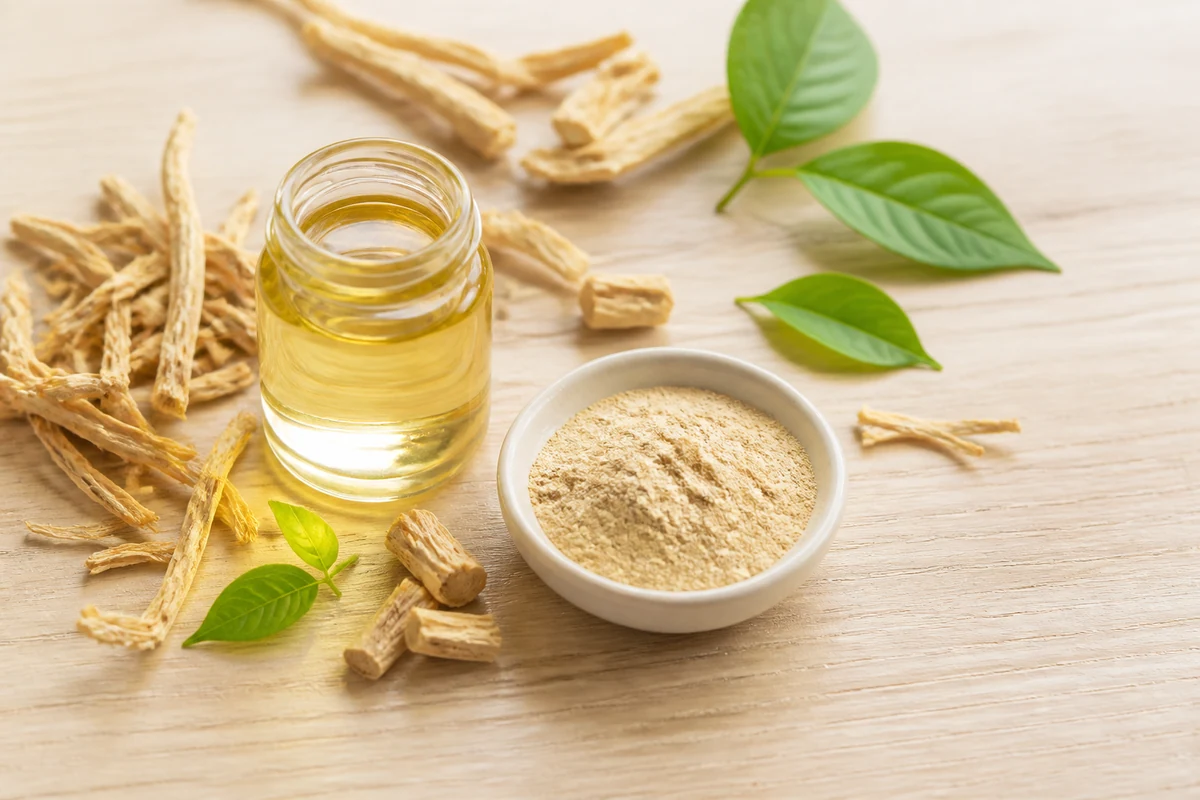
The delivery form you want, concentrated liquid or dry powder, plus any microbiological specification from your end customer, since it decides whether an extra microbial-reduction step is needed, which affects both time and cost.
What you will receive
The extract in the agreed form, a certificate of analysis for each lot including microbiological results, process information to support registration, and storage recommendations with an estimated shelf life.
The selling point you gain from this service is documentation stating that no organic solvents were used in the process: a verifiable fact, and exactly what buyers in the natural market look for.
Water or ethanol: how to decide
The question customers ask most on this page is how to choose between water and ethanol. We use three criteria.
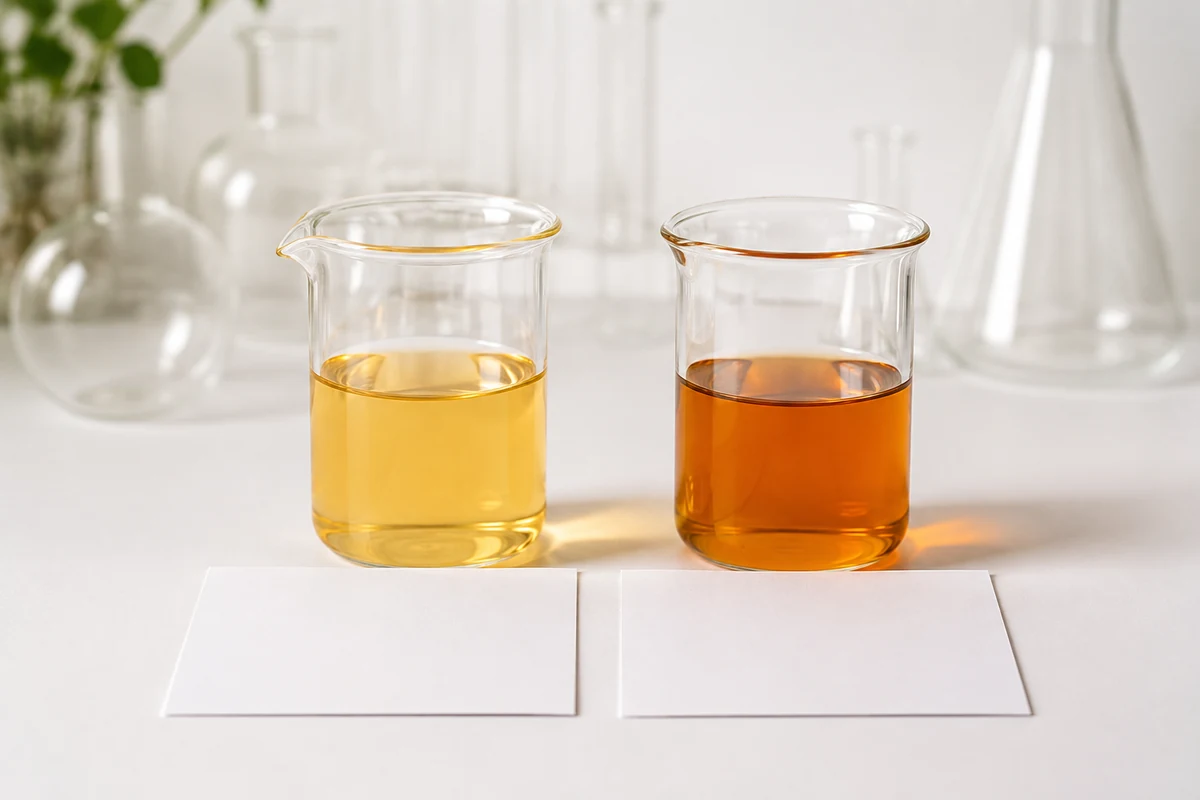
First, always start with the target compound. If it dissolves well in water, water is the answer. If it doesn’t, ethanol is the answer. If it sits in between, you need a comparison trial, which we can run in a single trial round.
Second, look at the requirements of your target market. Some markets and certification standards prohibit organic solvents, which automatically leaves only one option. Then the question isn’t which method is better, but how to get the best result from the method you’re allowed to use.
Third, look at the total cost, not the solvent price. Many people assume water is cheaper because it costs almost nothing. But evaporating water takes far more energy than evaporating ethanol, and evaporated ethanol can be condensed and reused while evaporated water is simply lost. Over a full batch, water extraction can turn out more expensive for some types of work.
What we do at the assessment stage is calculate the total cost of both routes in numbers, together with the expected yield from each method, so you decide on data rather than on which method feels more natural.
A communication advantage that is often overlooked
Beyond the technical reasons, water extraction has another advantage that marketing teams tend to value more than production teams: it is easy to explain to consumers.
When a label says water-extracted, consumers understand it immediately without further explanation, and no questions about residual solvents follow, a question ingredient-conscious consumers ask more and more often. For products positioned as natural or clean, this can weigh more in the purchase decision than any technical figure.
In some export markets it matters in practice as well as in marketing, because a process that uses water as the only solvent often shortens the list of documents to file, especially the residual-solvent item, which must reference international guidance and be backed by analysis for every lot. Removing that item lowers the documentation cost per lot for the whole life of the product, not just once.
Products that need specialised certification, such as religious food certification or organic certification, also benefit clearly, since these schemes often restrict which solvents may be used. Choosing a water-based method from the outset shortens the certification path and leaves less room for dispute.
We raise this because we have seen many projects choose an extraction method by yield and cost per kilogram alone, only to find later that the method made the marketing and documentation path unnecessarily harder. The choice of extraction method should therefore involve people from marketing and regulatory from the start, rather than being a purely technical decision.
Frequently asked questions (FAQ)
Q: Is water extraction cheaper than other methods?
A: The solvent is clearly cheaper, but evaporating water costs much more energy, because water needs more energy to evaporate than ethanol. Total cost has to be assessed case by case, and for some jobs water extraction is actually more expensive than ethanol extraction.
Q: Why does drying need to happen so quickly?
A: Because the longer an extract stays dilute, the higher the microbial risk, and some compound groups degrade in water faster than people expect, especially anthocyanins and peptides.
Q: Can it be used for oily plants?
A: Not effectively, because oil does not dissolve in water. If a material contains both water-loving compounds and oil, we may propose a two-stage extraction with different methods to recover both fractions from the same batch.
Q: Can the label say water-extracted?
A: Yes, as a statement of fact, and we issue a document confirming the process. Any efficacy claims must still stay within the legal framework for your product category (Herbal Products Act B.E. 2562, 2019).
Q: How long does it take?
A: We count it in working days per batch, including concentration. Drying and analysis are counted separately, and the number of days is stated in the quotation.
Next step
Send the raw material name and target compound to [email protected] or LINE @zubbbiotech. We will assess whether water is the most suitable solvent for your project and show you in numbers how the yield would differ with other methods.
Contact us and request a quotation
Send us the details of your project via Contact us or LINE @zubbbiotech · Tel. +66 89 056 5651 · +66 97 297 1777 · Email [email protected]
References
- Notification of the Ministry of Public Health (No. 416) B.E. 2563 Re: Prescribing quality or standards, criteria, conditions and methods for analysis of pathogenic microorganisms in food. (2020, October 9). Royal Thai Government Gazette, 137(Special Part 237 Ngor), 9.
- Herbal Products Act B.E. 2562. (2019, April 30). Royal Thai Government Gazette, 136(Part 56 Kor), 1–29.
- Codex Alimentarius Commission. (2022). General principles of food hygiene (CXC 1-1969, Rev. 2020, Amended 2022). Food and Agriculture Organization of the United Nations & World Health Organization.