

Ethanol Extraction Service
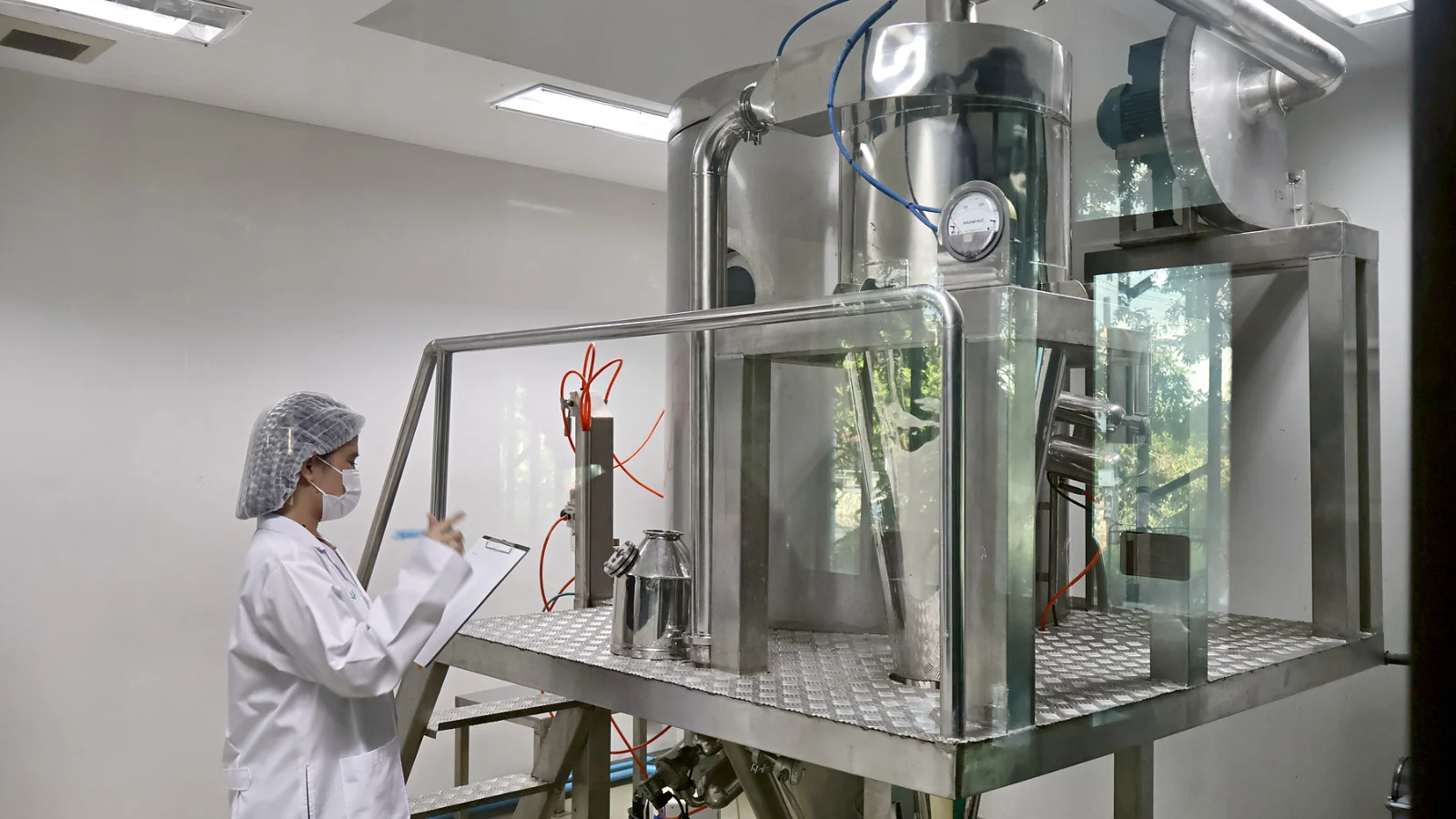
The standard method that covers the widest range of herbal work
When distillation can’t help you
Imagine you have read research on a compound found in a Thai herb, the evidence looks promising, and you want to turn it into a raw material for your own product. You contact an essential oil distillery because that is the first name you find, and they tell you it can’t be done.
The reason isn’t that the distillery lacks capability. It’s that the compound you want doesn’t evaporate. Steam distillation only works for compounds that can be carried over with steam, and those make up a very small share of all the active compounds in a plant.
Most of the compounds discussed in health and beauty research, whether flavonoids, polyphenols, alkaloids or saponins, are non-volatile. They need a solvent to carry them out of the plant material, and the standard solvent in this industry is ethanol.
That is why ethanol extraction is the core service of an extraction plant, and the service that covers the widest range of work, whether you make dietary supplements, cosmetics, or raw materials to sell on to other manufacturers.
Why ethanol is the standard solvent
The first reason is chemistry. An ethanol molecule has two sides: one that likes water and one that doesn’t. This in-between character lets it dissolve a broader range of compounds than water alone, and a broader range than purely water-repelling solvents.
The second reason matters more commercially. Ethanol is accepted in food and cosmetic products in almost every market, so using it keeps registration and export straightforward, unlike some solvent groups that face strict limits or are refused in certain markets.
The third reason is flexibility. Adjusting the ethanol-to-water ratio is a more powerful control than most people realise. A high-ethanol system pulls out more water-repelling compounds, while a high-water system pulls out more water-loving ones such as sugars and polysaccharides. Choosing the ratio is really deciding what you want, and what you don’t want coming along with it.
A clear example: if you want an extract rich in phenolic compounds without much sugar, because sugar makes the powder sticky during drying, choosing a higher ethanol ratio at the extraction stage solves a problem before it reaches the next step. That’s why we always ask what the extract will ultimately be used for.
How we work
Raw material preparation is the step with the biggest effect on efficiency, and the one most often overlooked. The material must be dried to a suitable moisture level, because leftover water dilutes the solvent system and shifts the ratio we intended. It then has to be milled to the right particle size: too coarse and the solvent can’t reach the inside, too fine and the material packs down and becomes hard to filter.
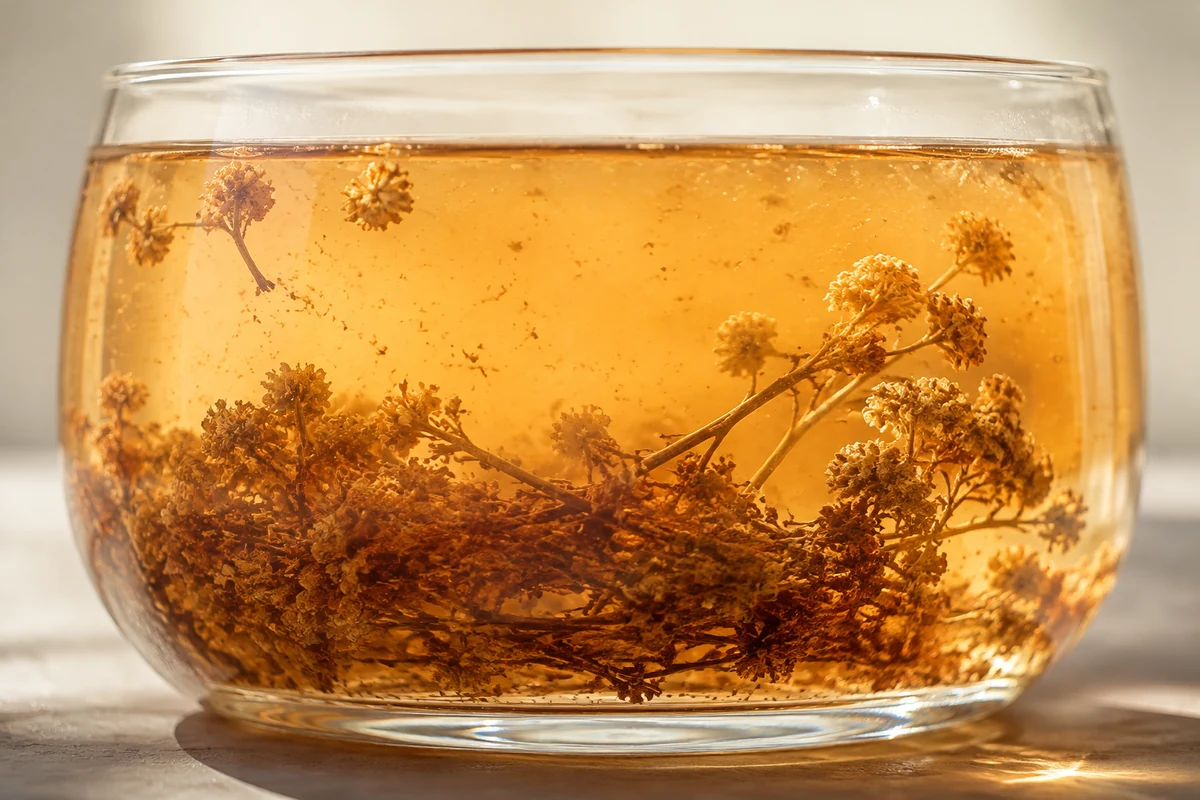
Setting the solvent system. We choose the ethanol-to-water ratio, temperature, duration and number of extraction passes to suit the target compound group. Some groups also need the pH of the system adjusted, especially alkaloids, which change form with pH and dissolve differently in each form.
Extraction takes place in a closed system to control evaporation and safety, with temperature kept below what the target compounds can tolerate. Some groups extract well at room temperature and others need heat, so we set conditions by compound type rather than using one setting for every job.
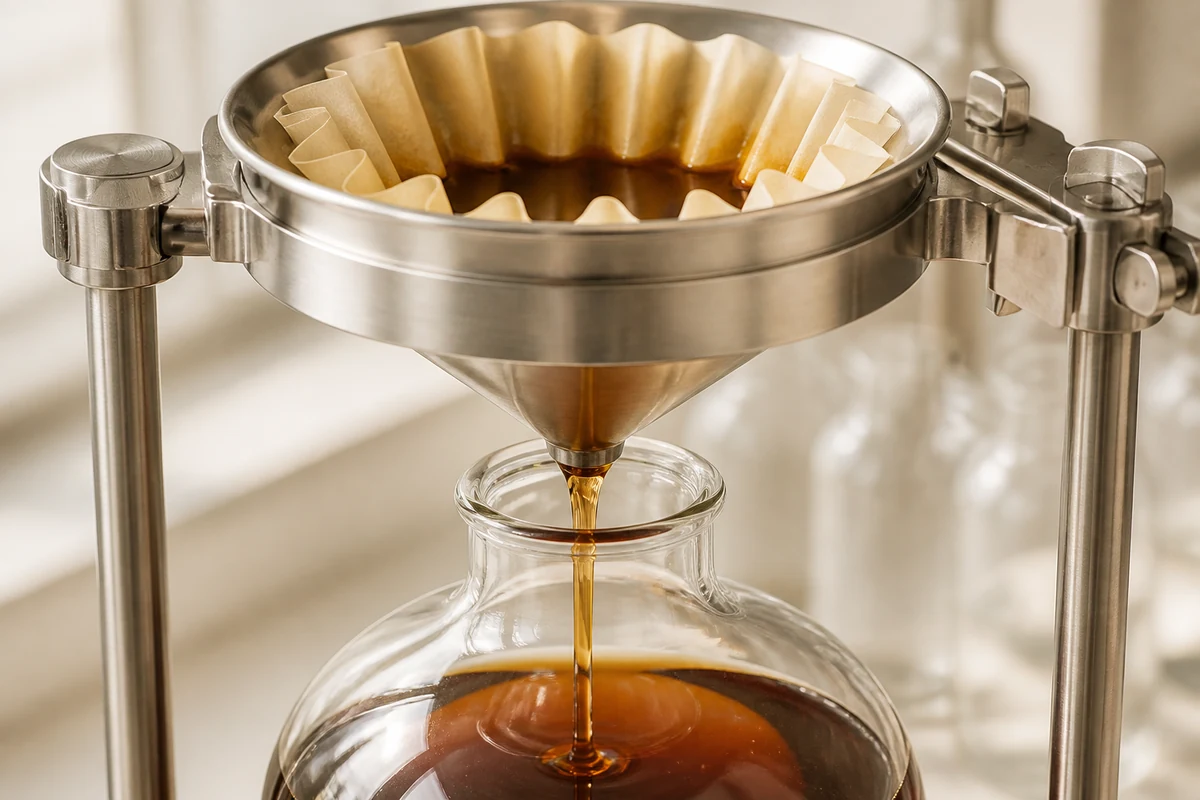
Filtration and solvent removal. The spent material is separated from the solution, then the ethanol is evaporated under reduced pressure. Low pressure lets ethanol evaporate at a lower temperature than usual, reducing the heat the key compounds are exposed to. The evaporated ethanol is condensed and reused in the system.
Residual solvent control is the step that decides whether your extract passes the buyer’s inspection. We evaporate until levels fall within internationally accepted limits (International Council for Harmonisation of Technical Requirements for Pharmaceuticals for Human Use, 2021) and confirm the result with analytical instruments, rather than judging it by evaporation time.
Delivery or hand-over. You can take delivery as a thick extract, or have us pass it straight into powdering in the same plant, which saves both time and freight compared with moving it elsewhere.
Which compound groups this method handles well
Flavonoids are the broadest group and occur in almost every plant. Compounds such as quercetin and rutin belong here and are used in both supplements and cosmetics. Ethanol extracts them well and is the method most research uses, which makes results easy to compare with the literature.
Polyphenols and tannins are abundant in bark and leaves and attract strong interest from the cosmetics market. The ethanol ratio used has a considerable effect on the proportion of sub-groups you end up with.
Curcuminoids from turmeric and other ginger-family plants are insoluble in water, so they need a high ethanol ratio and are usually followed by a purification step to raise the percentage to the level the market expects.
Alkaloids demand the most care, because pH must be controlled throughout the process and many sources are legally controlled plants. We always check their status before accepting the job, both under the herbal products law (Herbal Products Act B.E. 2562, 2019) and under obligations on access to biological resources and benefit-sharing (Secretariat of the Convention on Biological Diversity, 2011).
Saponins from many roots and rhizomes cause foaming in solution, which is a desirable property in some products and a problem in some production steps.
The extraction ratio: the most common misunderstanding
When people talk about extracts, the number they see most often is a ratio such as 10:1 or 20:1, meaning 10 or 20 parts of dried raw material give 1 part of extract.
The misunderstanding is thinking this number tells you how strong the extract is. In fact it only tells you how many times it has been concentrated by weight. It doesn’t tell you whether what has been concentrated is the compound you want or something else that came along. A 20:1 extract from a non-selective process can contain less of the key compound than a 10:1 extract from a well-designed one.
The number that reflects real strength is the percentage of the key compound, which must come from analysis and must always state the analytical method, because different methods give different values. Comparing extract prices from two suppliers by extraction ratio alone is therefore a meaningless comparison.
We always state both numbers in our documents, together with the analytical method used, so you can compare us fairly with others and your own customers can verify them.
What you need to prepare
Start with the plant name, the part used and its origin. The more detail, the more accurate our assessment. A scientific name helps a great deal, because it removes the problem of Thai common names that cover several species.
Next is the target compound. If you’re not sure which compound should serve as the marker, we help define it from published research, the Thai Herbal Pharmacopoeia (Department of Medical Sciences, 2021) and the standards used in your target market. This is included in the assessment stage at no extra charge.
If your end customer has a specification for the percentage of key compound, send it to us at the start, because it determines whether an extra purification step is needed, which affects both price and lead time.
We confirm the minimum quantity of raw material per batch after assessing the job. Please also state the delivery form you want, thick liquid or dry powder, since it affects both the price and your production planning.
What you will receive
The extract in the agreed form, with the actual extraction ratio achieved and a certificate of analysis for each lot stating the key compound content, analytical method, moisture and residual solvent.
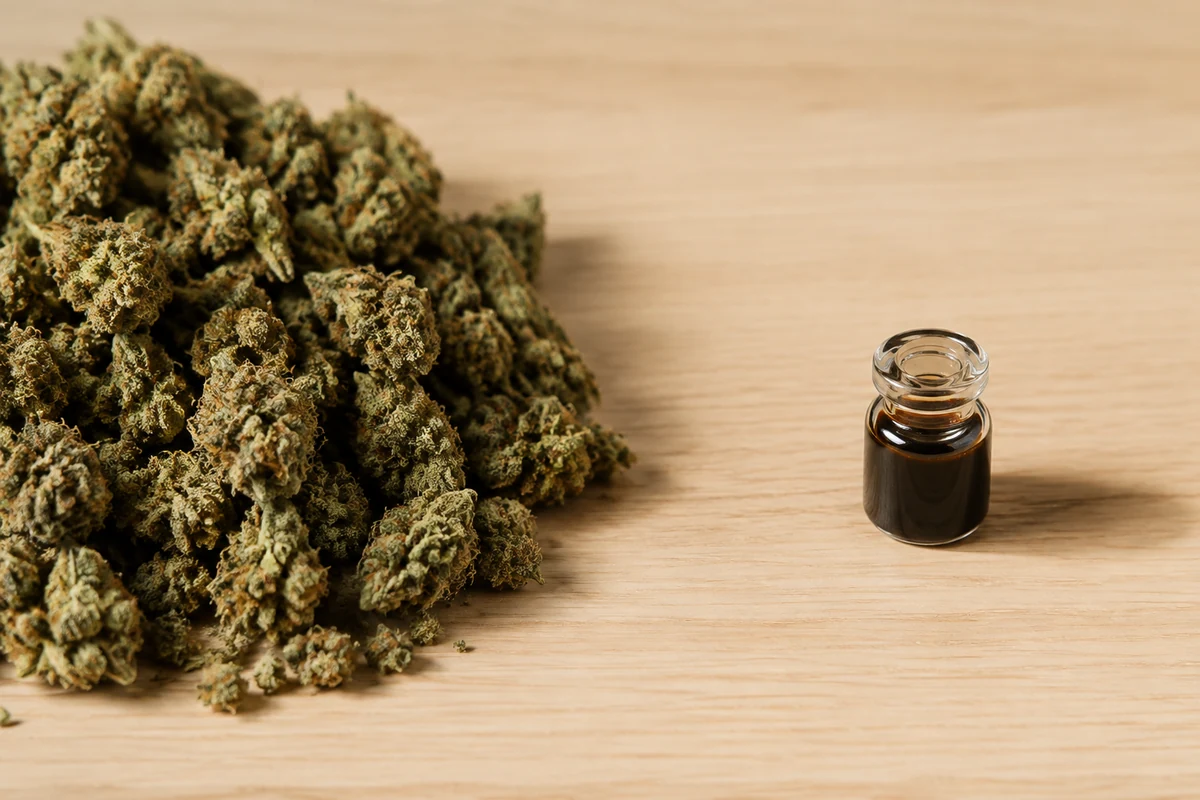
We also provide a brief description of the manufacturing process, a document needed for permit applications and one that corporate buyers often ask to see before deciding, together with storage recommendations and an estimated shelf life.
Frequently asked questions (FAQ)
Q: Will the extract carry the smell and taste of the herb?
A: Generally yes, and this is often why customers go on to use our bitterness and odour masking service in the next step, especially for drinkable products. Planning for it from the start costs less than fixing it after production.
Q: Is a higher percentage of key compound always better?
A: Not always. Higher values come at a cost that rises non-linearly, and some formulations have solubility or taste limits that make an overly high value harder to use. We help you set the value that fits your product, not the highest value achievable.
Q: I already have my own raw material. Can I hire you for extraction only?
A: Yes, and many customers choose this. The raw material must first pass our incoming inspection, because what we can test defines what the certificate of analysis can vouch for.
Q: Is residual ethanol in the extract harmful?
A: Within the limits set by international standards it is considered acceptable, and it is a value we control and verify for every lot. Problems arise when there is no testing and no supporting documentation, which overseas buyers always check, together with other contaminants and residues listed in international guidance for herbal materials (World Health Organization, 2007).
Q: How long does it take?
A: It is counted in working days per batch. An extra purification step adds time, and analysis is counted separately. We state the timeline for every step in the quotation.
Q: Can I run a trial lot first?
A: Yes, and we recommend it for plants that haven’t been through this process before. You learn the actual extraction ratio, the achievable percentage of key compound and the properties of the extract before committing to a full lot.
Next step
Send the plant name and intended use to [email protected] or LINE @zubbbiotech. We will come back as quickly as possible with a suitable solvent system, the expected range of key compound content, and an indicative price and timeline. If you don’t have raw material yet, we can source it with origin documentation within the same project.
Contact us and request a quotation
Send us the details of your project via Contact us or LINE @zubbbiotech · Tel. +66 89 056 5651 · +66 97 297 1777 · Email [email protected]
References
- Department of Medical Sciences. (2021). Thai herbal pharmacopoeia 2021. Bureau of Drug and Narcotic, Department of Medical Sciences, Ministry of Public Health, Thailand.
- Herbal Products Act B.E. 2562. (2019, April 30). Royal Thai Government Gazette, 136(Part 56 Kor), 1–29.
- International Council for Harmonisation of Technical Requirements for Pharmaceuticals for Human Use. (2021). Impurities: Guideline for residual solvents Q3C(R8).
- Secretariat of the Convention on Biological Diversity. (2011). Nagoya Protocol on access to genetic resources and the fair and equitable sharing of benefits arising from their utilization to the Convention on Biological Diversity. United Nations.
- World Health Organization. (2007). WHO guidelines for assessing quality of herbal medicines with reference to contaminants and residues.